Home / Guides / Korea in December and winter
Korea in December and winter: weather, Seollal 2027 and places outside Seoul
Korea in December, January and February: average temperatures and snow days from the KMA, the 2027 Seollal holiday (6–9 Feb), shorter winter hours, and 6 places outside Seoul I visited in winter.
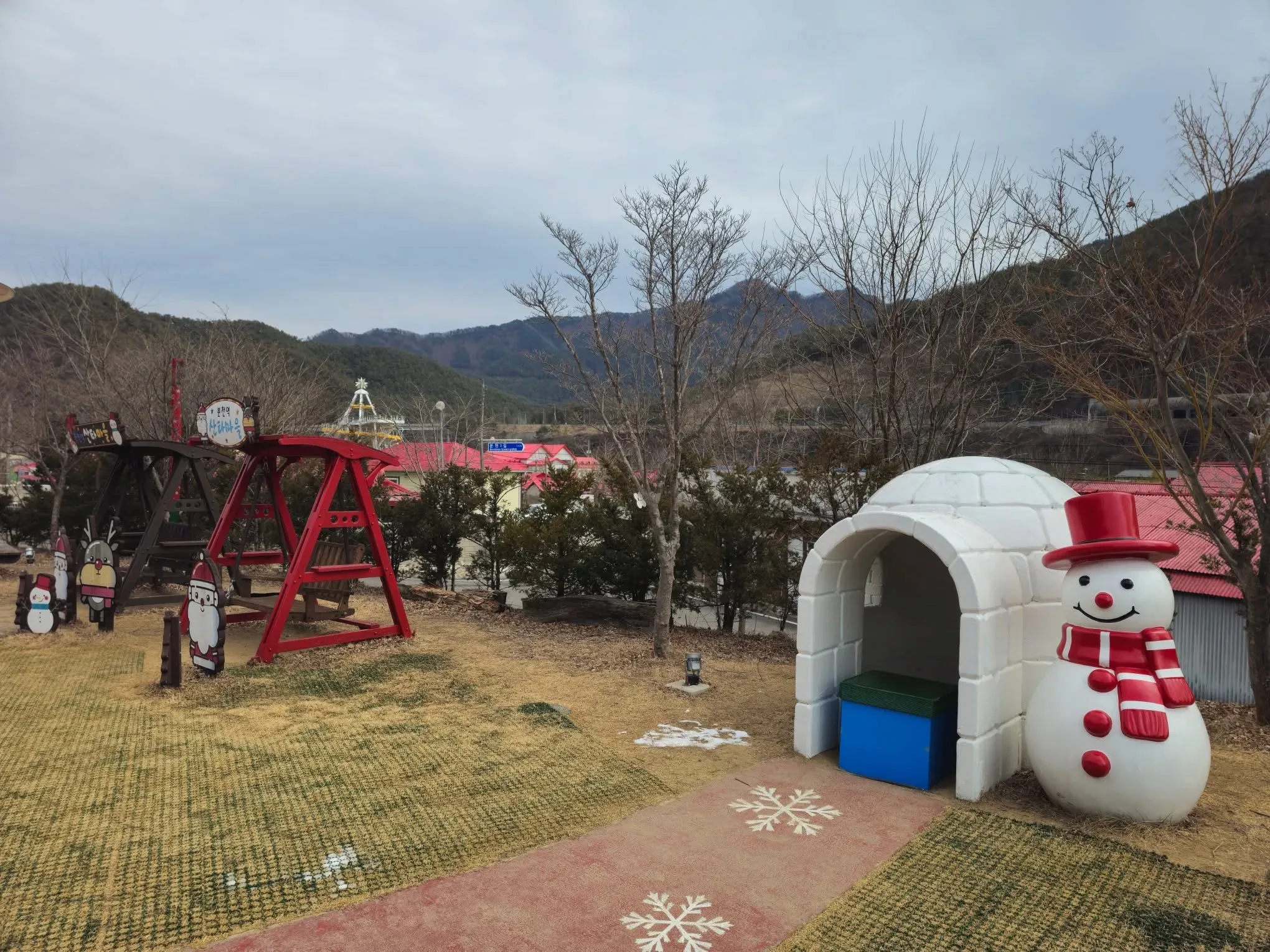
Short version: Korean winters are cold. On the Korea Meteorological Administration's long-term averages, the whole country averages about 1°C in December, just below freezing in January and about 1°C in February. Christmas Day and 1 January are public holidays, and in 2027 the Seollal (Lunar New Year) holiday runs from 6 to 9 February. Some places close earlier in winter, and some close on 1 January and Seollal. I've visited 26 of the places on this site in December, January or February, most of them in the south. Below is what I found, the good and the not-so-good.
Last checked: 19 November 2026. Temperatures and snow days come from the Korea Meteorological Administration (KMA), the holiday dates from Korean news reports on the government's 2027 calendar, and opening hours from each place's note. What winter was like at each place is from my own visits. Where we couldn't confirm something, we say so. Tell me if anything has changed.
1. How cold is it?
The KMA's climate normals (the averages for 1991–2020) give these nationwide averages:
| Month | Average temperature, whole country | Days with snow, whole country |
|---|---|---|
| December | 1.1°C | 5.3 days |
| January | −0.9°C | 6.2 days |
| February | 1.2°C | 4.4 days |
These are averages for the whole country; where you are will differ. Real winters swing around them: January 2026 averaged −1.6°C, below normal, and February 2026 averaged 2.7°C, above it (KMA).
For the forecast before you go, the KMA has an English site with forecasts by region and weather warnings, including a medium-range forecast: weather.go.kr (English).
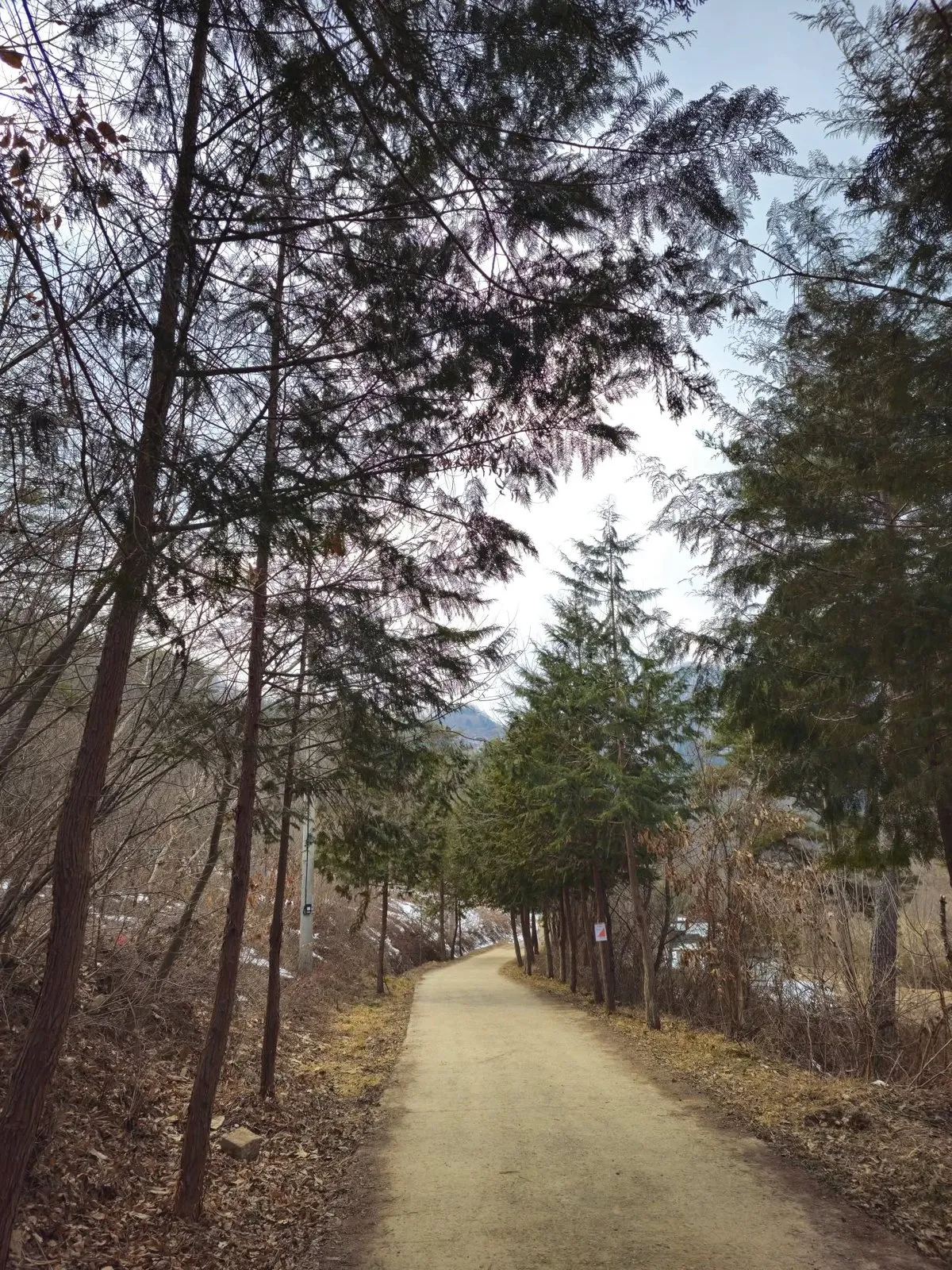
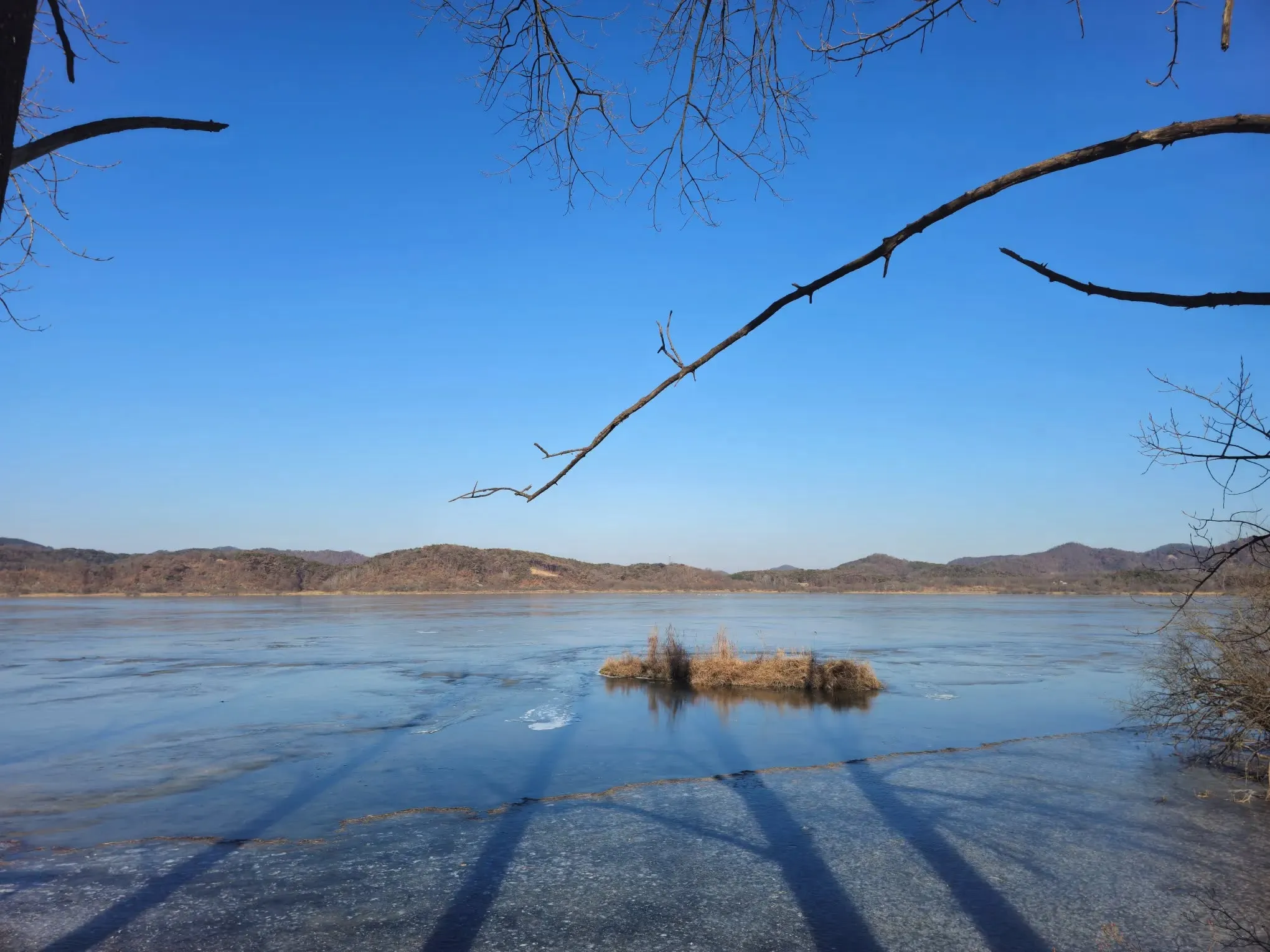
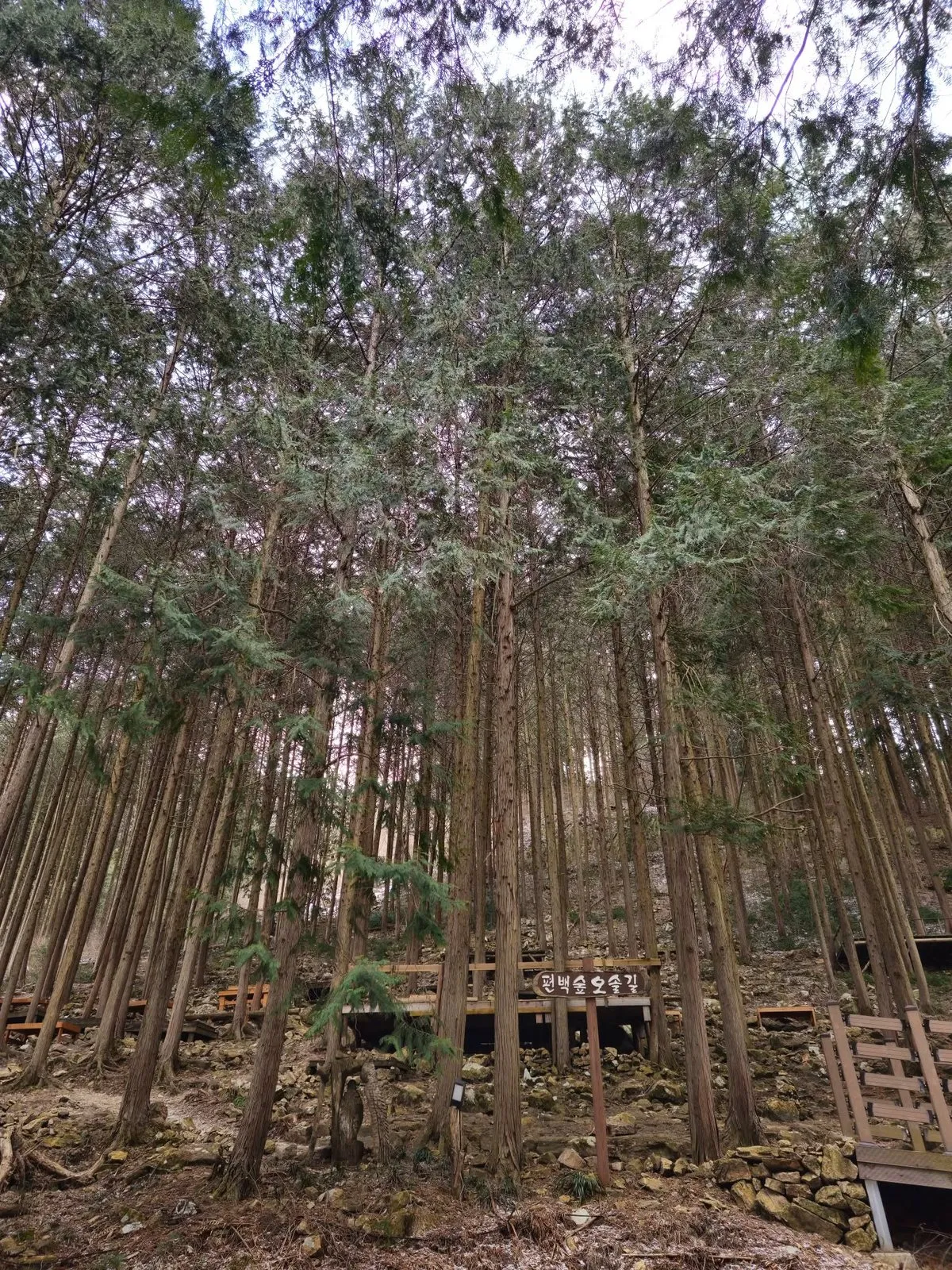
What I found: at Upo Wetland in South Gyeongsang in mid-January, the marsh was frozen, which was a bit of a shame. At Sanggwan Cypress Forest in late February the weather was cloudy and cold, but it still had its own charm. There were patches of snow by the paths (my photos).
2. Snow and driving
My own rule: I don't drive in Gangwon in winter. It snows a lot there, and it's dangerous. If you're renting a car, the winter section of my driving guide has the expressway operator's advice on slowing down in rain and snow.
3. Holidays: Christmas, New Year and Seollal
- Christmas Day (25 December) and 1 January are public holidays in Korea.
- Seollal (설날), Lunar New Year, falls on Sunday 7 February in 2027. The holiday runs from Saturday 6 to Tuesday 9 February, with the Tuesday added as a substitute holiday because Seollal falls on a Sunday (Korean news reports on the 2027 calendar).
Some places close on these days. Among the places on this site,Chuncheon National Museum and the exhibition hall atSangju Gotgam Park close on 1 January and on the days of Seollal (Korea Tourism Organization). Check before you go.
4. Shorter opening hours
Some places close earlier in winter. Two examples from my notes: theBaekje Culture Experience Museum in Cheongyang is open 09:00–17:00 from November to February (09:00–18:00 the rest of the year), with tickets stopping an hour before closing (Cheongyang County; Korea Tourism Organization), andChungjangsa Shrine in Gwangju is open 9:00–17:00 in winter and 9:00–18:00 in summer (Korea Tourism Organization). Look for the winter hours on each place's listing.
5. Where I went in winter
Of the 26 places on this site I visited in December, January or February, 17 were in Gyeongsang and 7 in Jeolla. Here are six of them.
Gyeongsang · 분천 산타마을
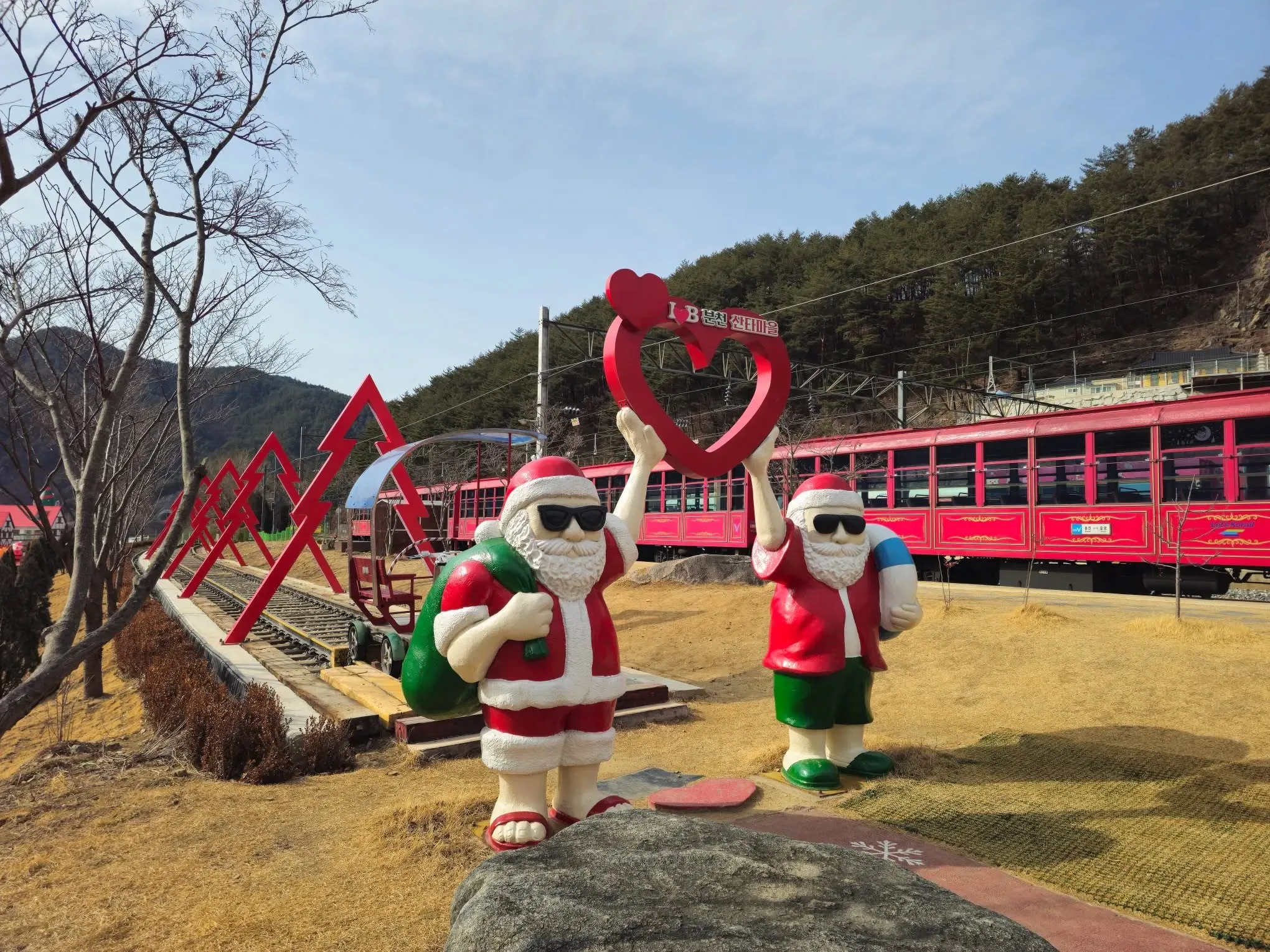
Buncheon Santa Village (Bonghwa, North Gyeongsang)
A little station village in the mountains, decorated as a Christmas village all year. In winter it holds a festival: last season's ran from 20 December 2025 to 15 February 2026. We couldn't find the dates for 2026–27 yet. It felt like stepping into a winter fairy tale, and carols were playing the whole time I was there. If you go in winter with your family or your partner, I think you could make really romantic memories.
- Cost
- Free entry (Korea Tourism Organization). Some winter-season activities cost extra (see Visiting).
- My verdict
- If you go to Bonghwa, be sure to visit Buncheon Santa Village. It feels like stepping into a winter fairy tale. Carols were playing the whole time I was there.
Visited 26 January 2026 (a Monday), by car
Gyeongsang · 우포늪
Upo Wetland (Changnyeong, South Gyeongsang)
Korea's largest natural inland wetland. It was winter, so the marsh was frozen, which was a bit of a shame. But I went early on a Monday morning, there weren't many people, and all I could hear was the birds.
- Cost
- Free entry and free parking (my visit, January 2026; Korea Tourism Organization).
- My verdict
- Upo Wetland was really wide, quiet and peaceful
Visited 12 January 2026 (a Monday morning)
Jeolla · 상관 편백나무숲
Sanggwan Cypress Forest (Wanju, near Jeonju)
A walk among about 100,000 cypress trees. The weather was cloudy and cold, but it still had its own charm. There were patches of snow by the paths (my photos).
- Cost
- Free entry and free parking when I went (my visit, February 2025). We couldn't confirm parking is still free.
- My verdict
- Really go once. Entry is free and parking costs nothing, so it's perfect for unwinding without spending money.
Visited 23 February 2025 (a Sunday)
Gangwon · 국립춘천박물관
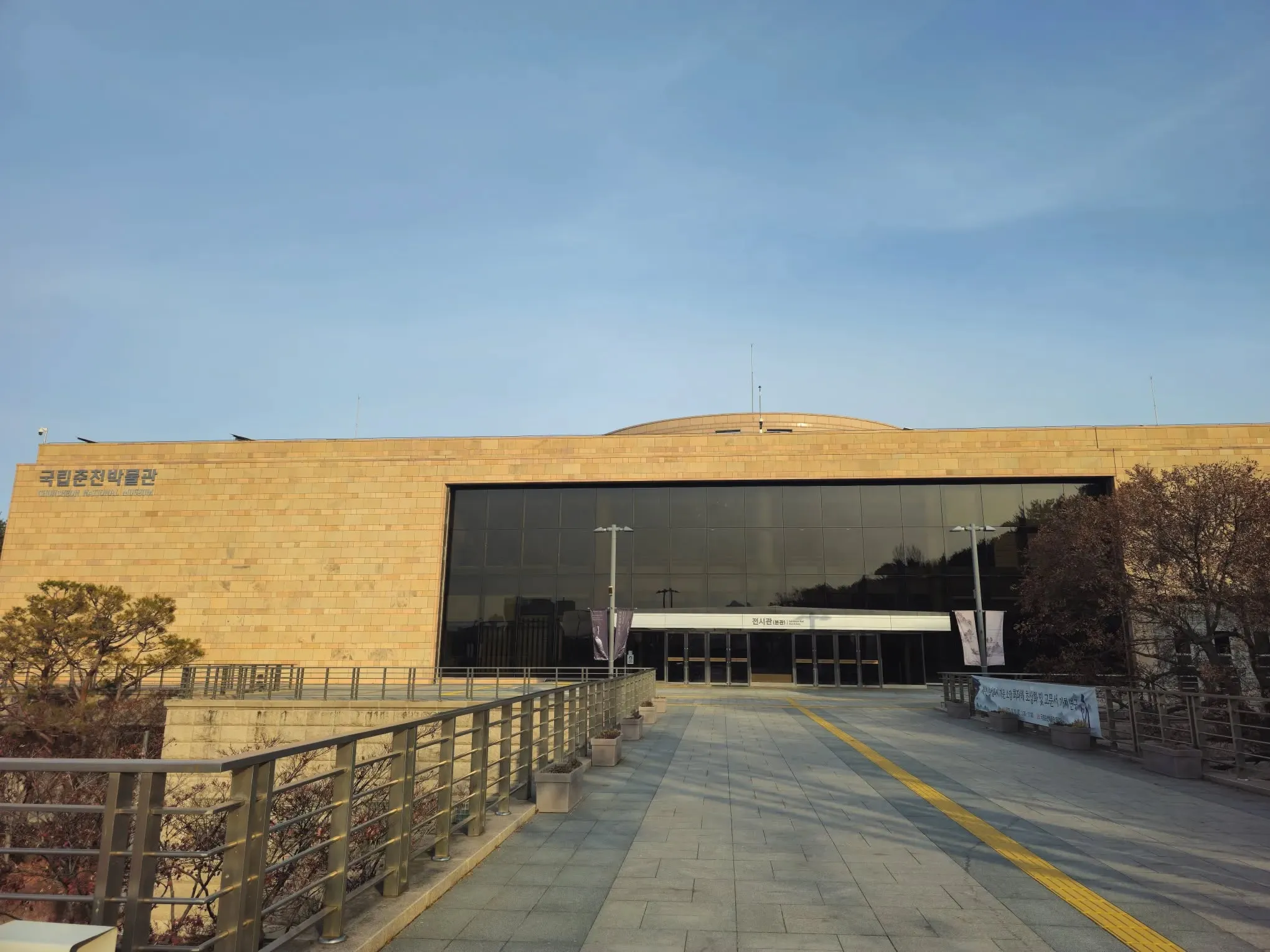
Chuncheon National Museum (Chuncheon, Gangwon)
Where I ended up when snow stopped me from going to the sea: a free museum with a big lobby where video runs across a curved screen, down the stairs and over the floor.
- Cost
- Free entry and free parking (Korea Tourism Organization).
- My verdict
- Go. I really recommend it.
Visited 13 December 2025 (a Saturday)
Gyeongsang · 상주곶감공원
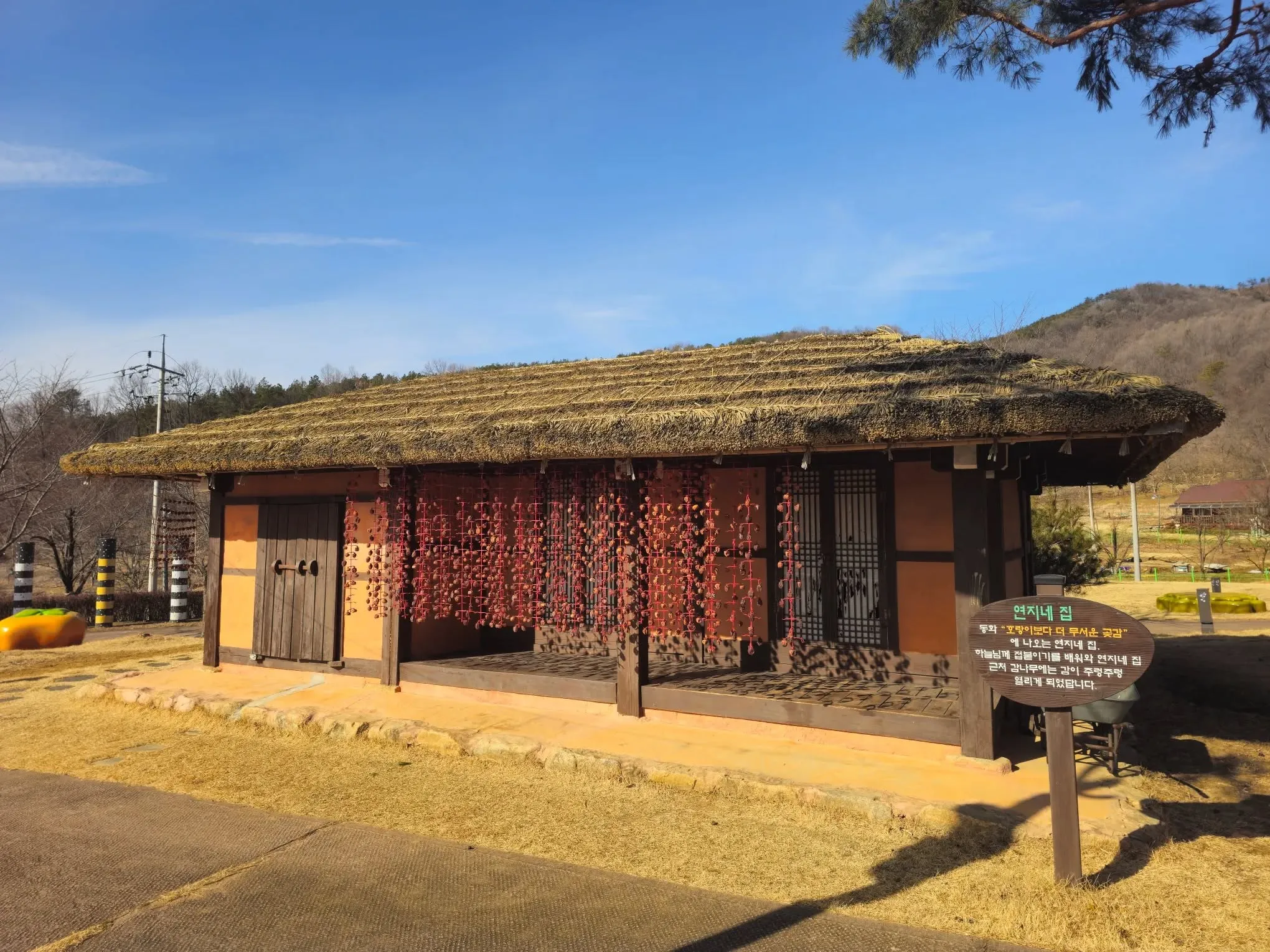
Sangju Gotgam Park (Sangju, North Gyeongsang)
A free park in Sangju, famous for dried persimmons (곶감, gotgam), with an exhibition hall on how they're made. I went at the end of January.
- Cost
- Free admission (Korea Tourism Organization). Parking was free when I visited (January 2026).
- My verdict
- If you go to Sangju, give Gotgam Park a try: you learn about dried persimmons, there's hands-on stuff to do, and it's a nice place to unwind.
Visited 30 January 2026 (a Friday), by car
Gyeongsang · 경상남도수목원
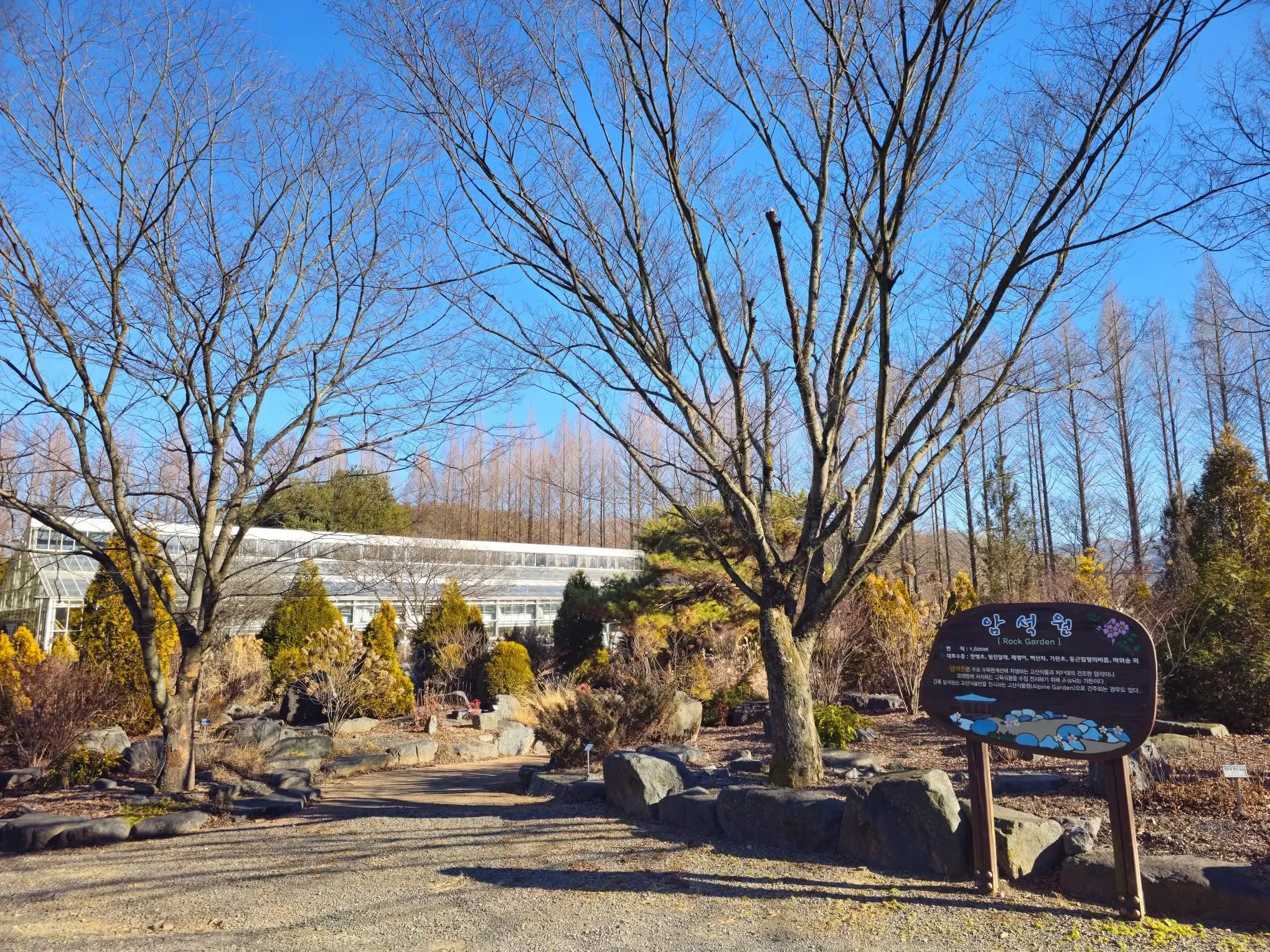
Gyeongnam Arboretum (Jinju, South Gyeongsang)
The honest one: it was winter, so the arboretum itself was a bit of a shame, and I recommend going in spring, summer or autumn. But the forest museum, indoors, has a basement and three floors with lots to see.
- Cost
- Adults ₩1,500, teens and military ₩1,000, children ₩500 (Korea Tourism Organization; the same prices I gave in my post).
- My verdict
- If you're going anywhere near Jinju, go once. It's a place you won't get bored of even if you stay all day.
Visited 2 January 2026 (a Friday)
For more places outside Seoul with free entry, seeKorea road trip: free things to do outside Seoul.
6. Stuck? Call 1330
The Korea Travel Hotline has English-speaking staff and can help with tourist questions: dial 02-1330 from a Korean mobile phone, or +82-2-1330 from abroad.