Home / Chungcheong / Jochiwon Culture Garden (Sejong)
Jochiwon Culture Garden, Sejong: an old water plant turned into a quiet garden
Things to do in Sejong: a 1935 water purification plant in Jochiwon reborn as a public garden and arts space, winner of Korea's top space-culture award in 2019.
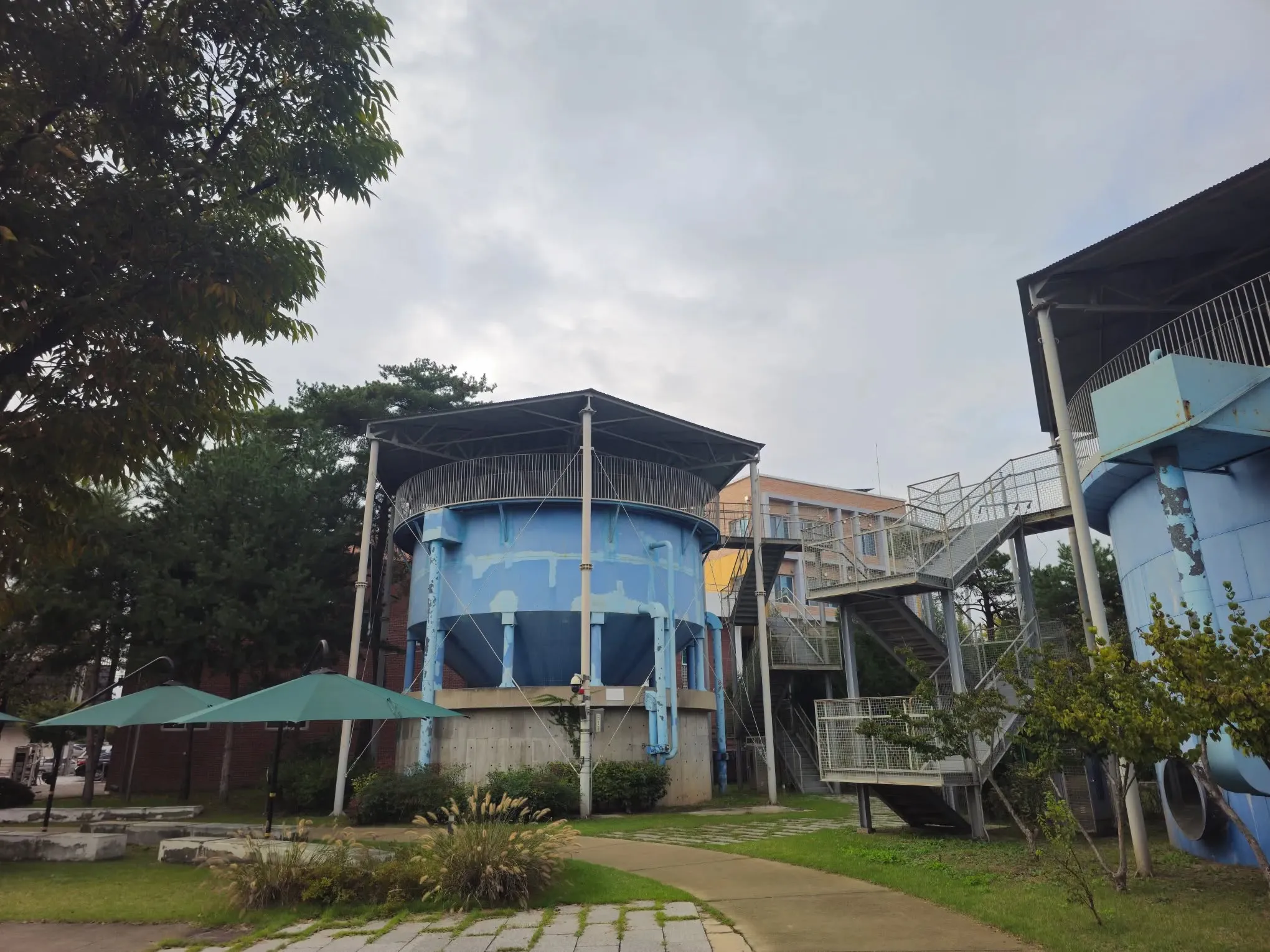
- Getting there
- 75-21 Suwonji-gil, Jochiwon-eup, Sejong. No dedicated parking; I used a public car park nearby. Check Naver Map in English for buses and trains.
- Cost
- The outdoor garden is a public park open to everyone (Sejong City). I couldn't confirm event or parking fees.
- Time needed
- About 1 hour (estimate)
- Best time
- I couldn't confirm opening hours for the indoor spaces; sources disagree.
Tap any Korean name on this page to hear it. Prefer Naver Map? In the app (set to English), search Jochiwon Culture Garden, or paste the Korean name:조치원문화정원
Short version: Jochiwon Culture Garden (조치원문화정원) in Jochiwon, Sejong, is an old water purification plant that has been turned into a public garden with exhibition and community spaces. It won the grand prize of Korea’s Space Culture Awards in 2019. I went on Tuesday 14 October 2025. It wasn’t crowded when I went, so I got quiet, room to breathe and a walk all at once, and the story the old structures tell makes you stay a while.
Last checked: 8 November 2026. The plant’s history, the award and the address come from Sejong City and the Ministry of Culture, Sports and Tourism. The visit, the parking and my impressions are from my own trip. Tell me if anything has changed.
What it is
From 1935 this site was a water purification plant. Sejong City says it treated water from the Jocheon stream and supplied the Jochiwon area for 78 years. It was shut down in 2013 (Ministry of Culture, Sports and Tourism).
The plant and a neighbouring park, which had been separated by a wall, were then joined into one space for exhibitions, viewing and hands-on cultural activities. In 2019 the Ministry of Culture, Sports and Tourism chose it for the grand prize (the President’s Award) of the 2019 Korea Space Culture Awards. A bronze plaque from the Ministry, dated September 2019, is mounted on the entrance sign.
It isn’t just a park. Because it was made by reviving the old plant, glass-and-steel structures and a round ring deck overlap next to the brick main building. It won that 2019 award, which surprised me.
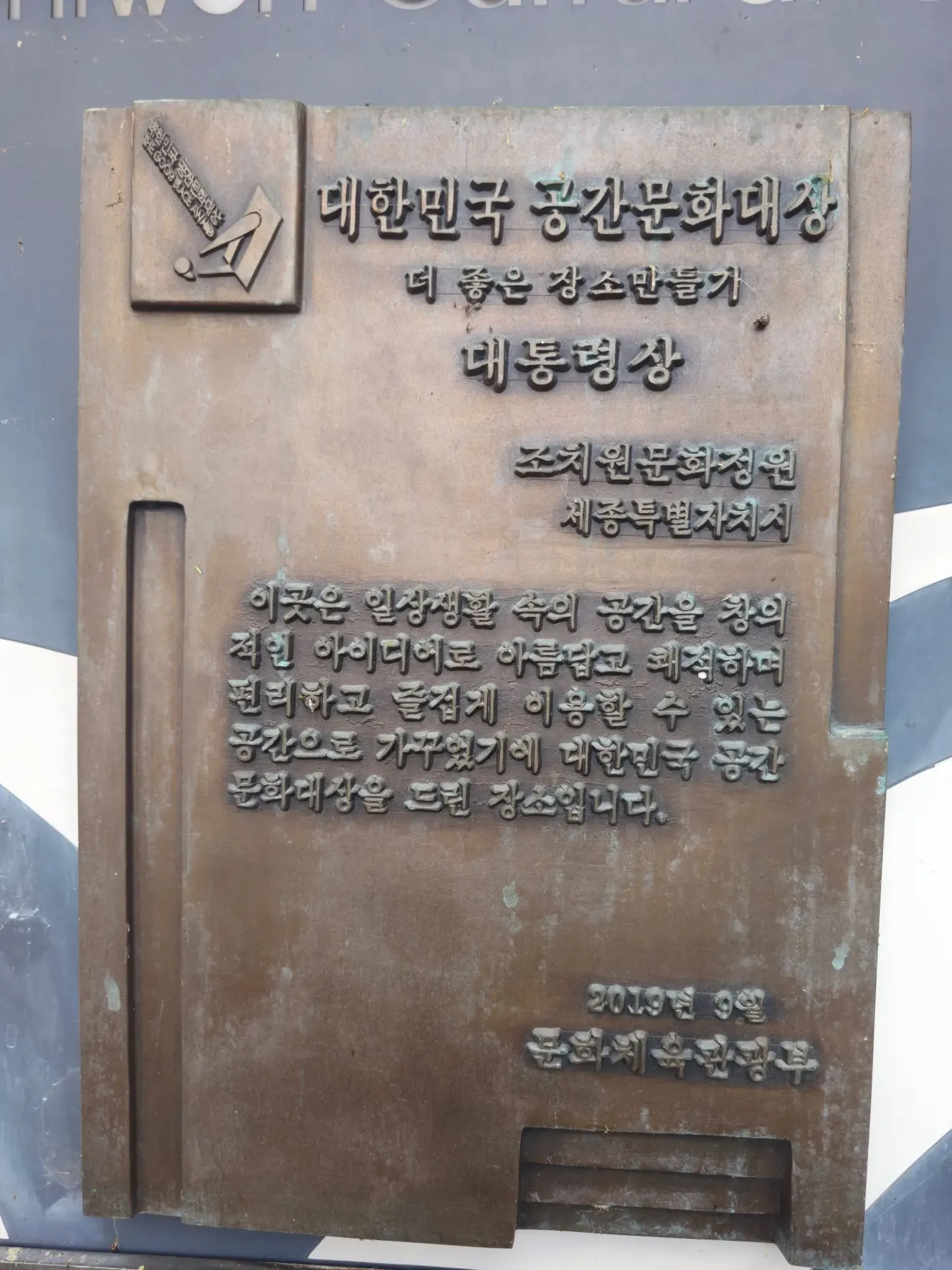 The Korea Space Culture Awards plaque from the Ministry, dated September 2019.
Walking around
Inside the ring is a spot where pop-up markets and small outdoor stages have been held, and traces of the old waterways and filter tanks are left in the ground, linking up with the walking paths. Walk slowly and you can feel how the water used to flow.
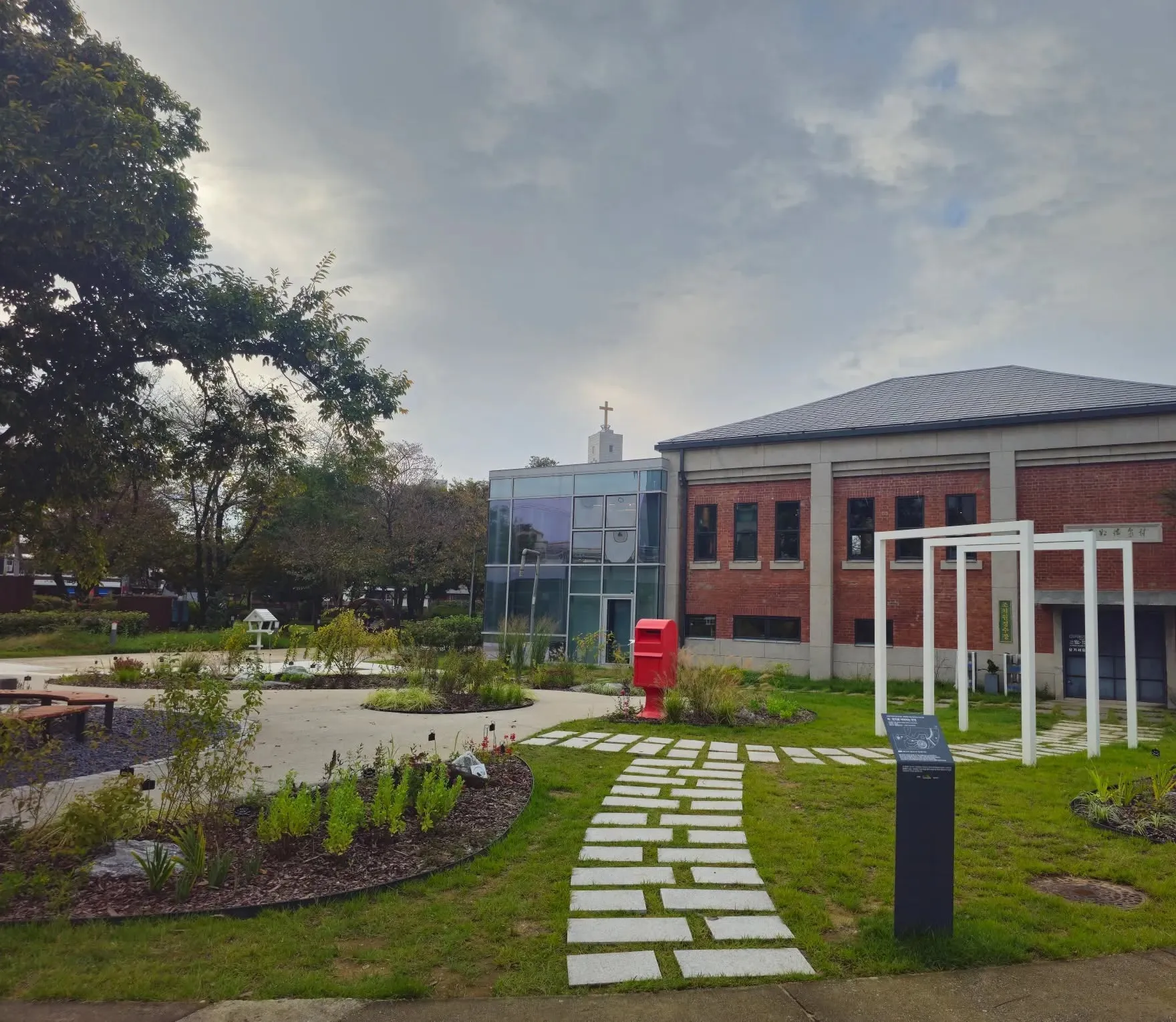 The brick building and garden.
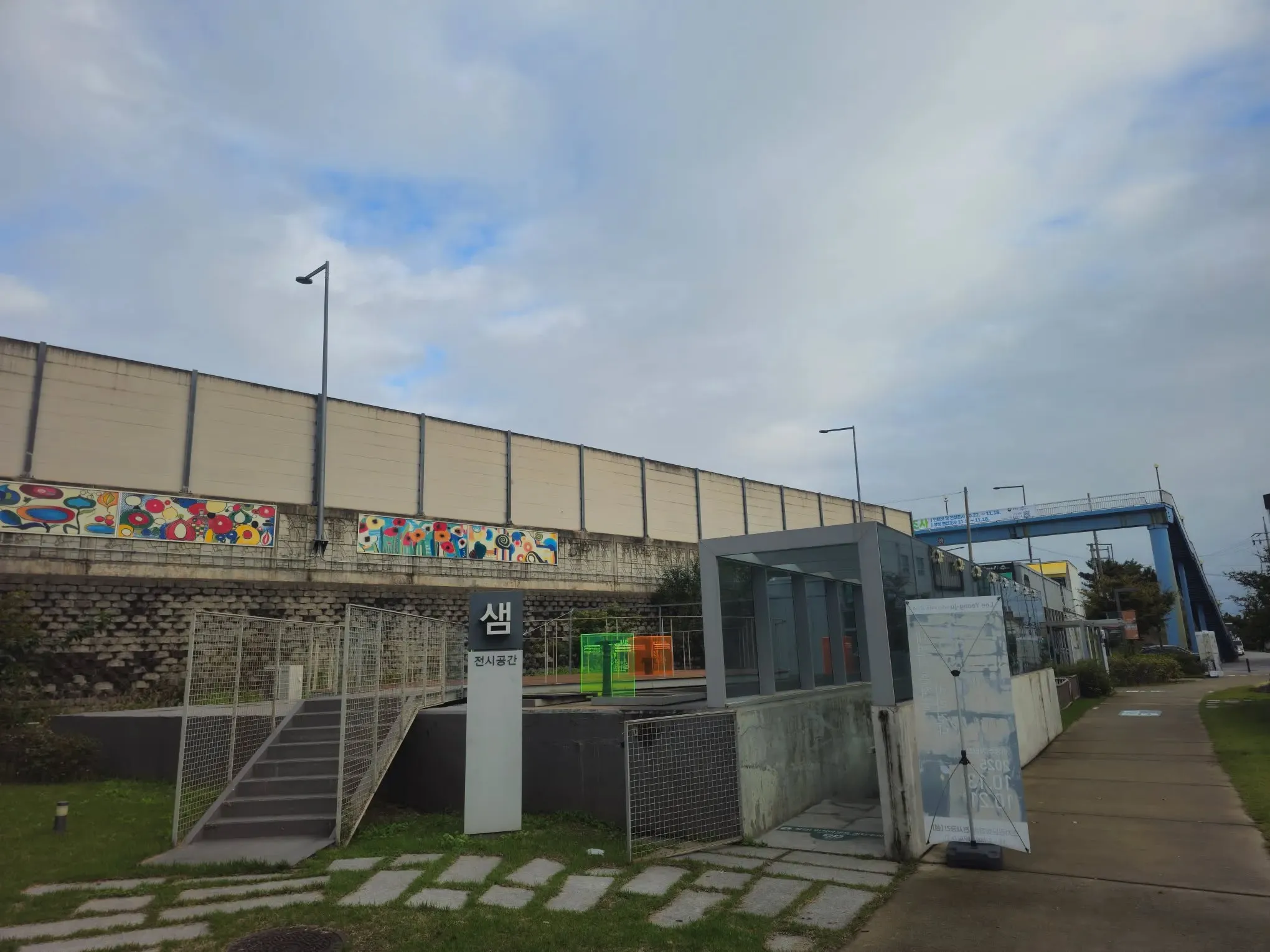 Exhibition Space Sam (샘).
From what I saw, the long glass-and-steel building is a community centre that groups can rent. The small round and square structures looked like they were being used as studios for young artists.
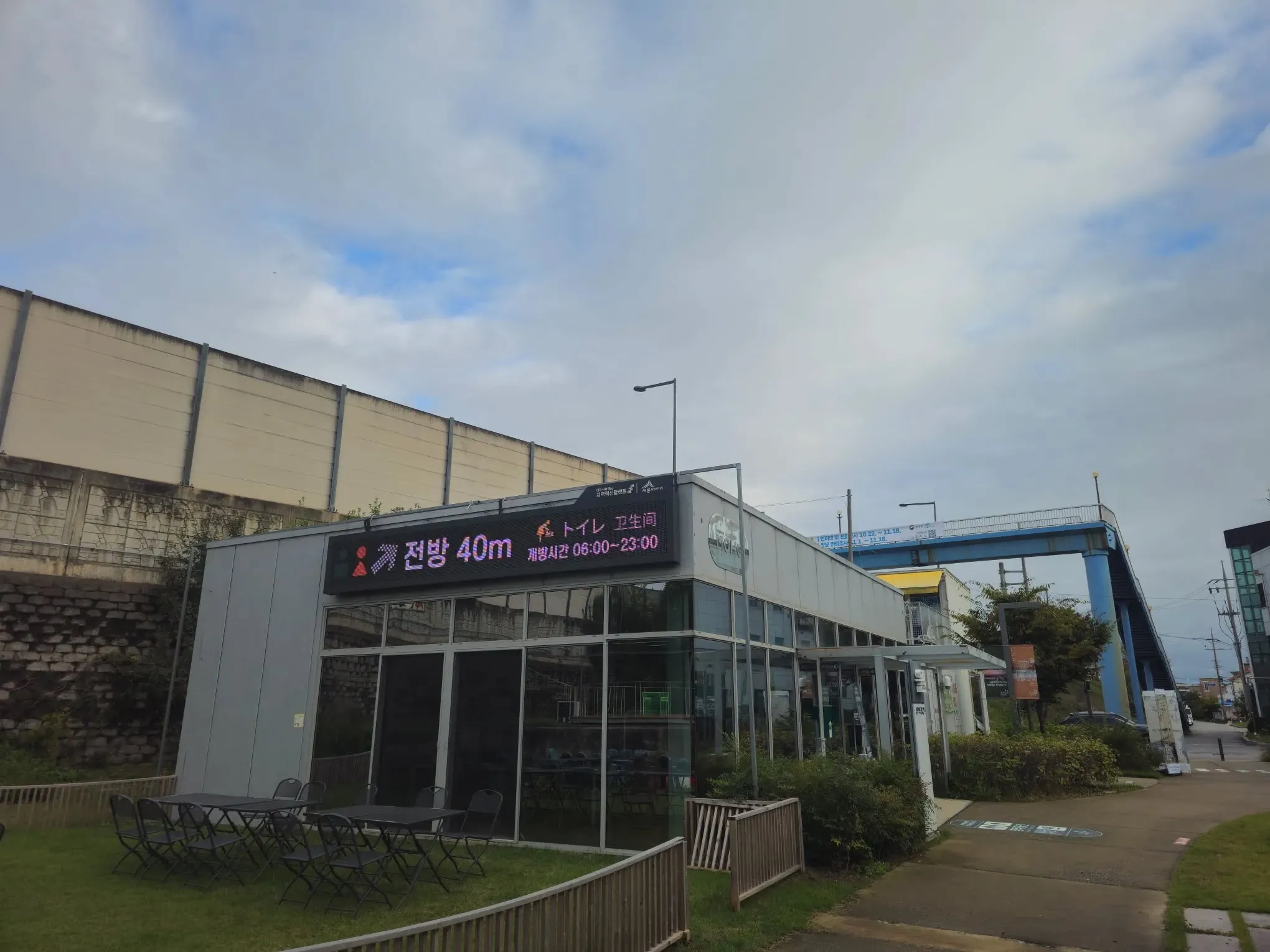 The long glass building.
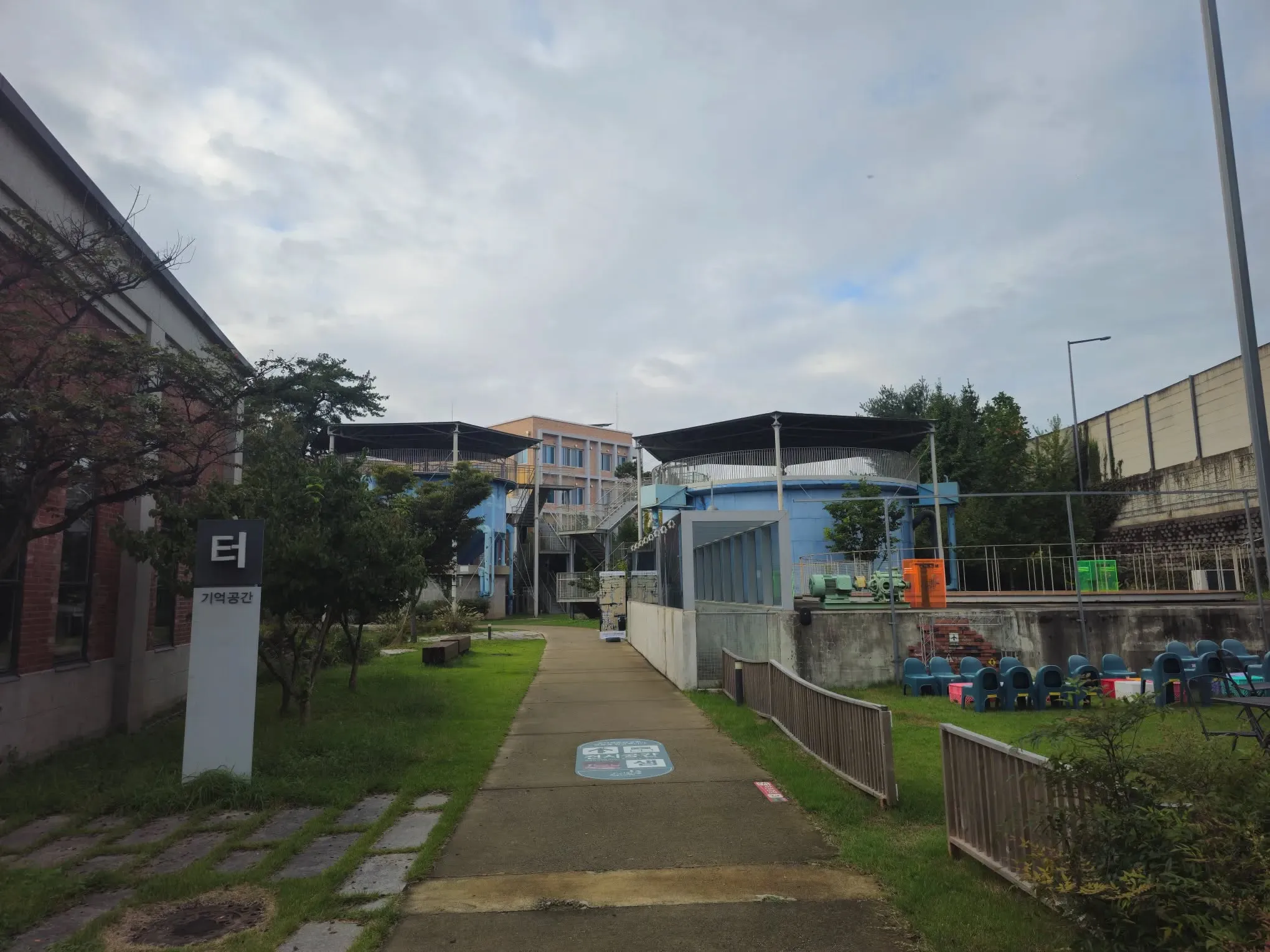 Looking along the path from the 터 (memory space) sign.
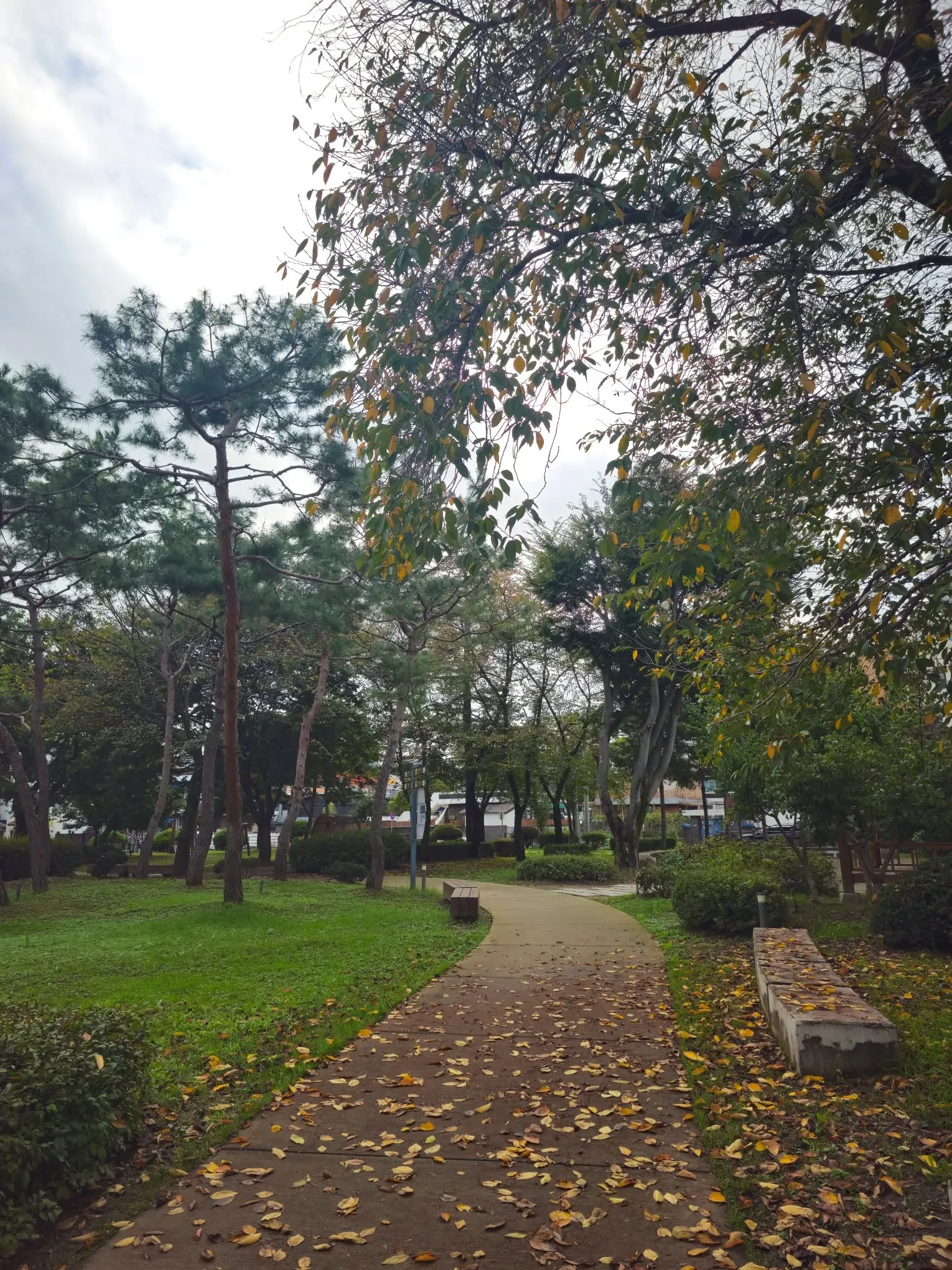 The park side, October 2025.
It wasn’t crowded when I went, so I got quiet, room to breathe and a walk all at once. You don’t have to do anything; the story the structures tell makes you stay a while. It looked like a nice, atmospheric place for a stroll on an autumn night.
About language: the signs I photographed are mostly in Korean. The floor sign for the exhibition space adds “Exhibition Space Sam” in English, and the entrance sign adds “Chochiwon Cultural Garden” (spelled differently from the “Jochiwon” used here).
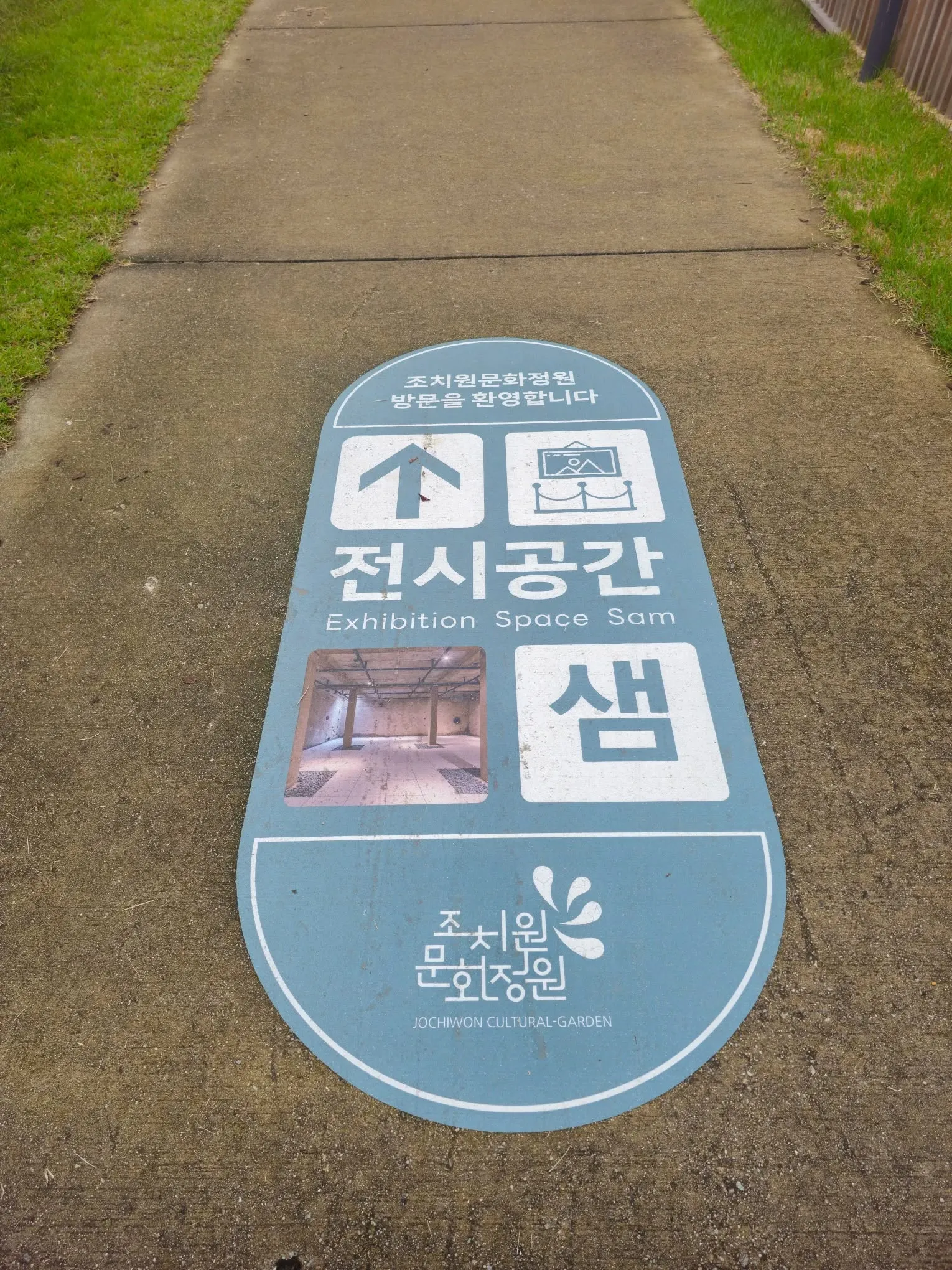 A floor sign pointing to Exhibition Space Sam.
Visiting
| Jochiwon Culture Garden | |
|---|---|
| Address | 75-21 Suwonji-gil, Jochiwon-eup, Sejong (Sejong City) |
| Entry | The outdoor garden is a public park open to everyone (Sejong City). I couldn’t confirm prices for events or indoor programmes. |
| Hours | I couldn’t confirm opening hours for the indoor spaces; the sources I found disagree. |
| Parking | No dedicated parking lot; I parked at a public car park nearby. I couldn’t confirm the fee. |
| Toilets | A sign in my photo pointed to toilets 40 m ahead, open 06:00 to 23:00 (October 2025). |
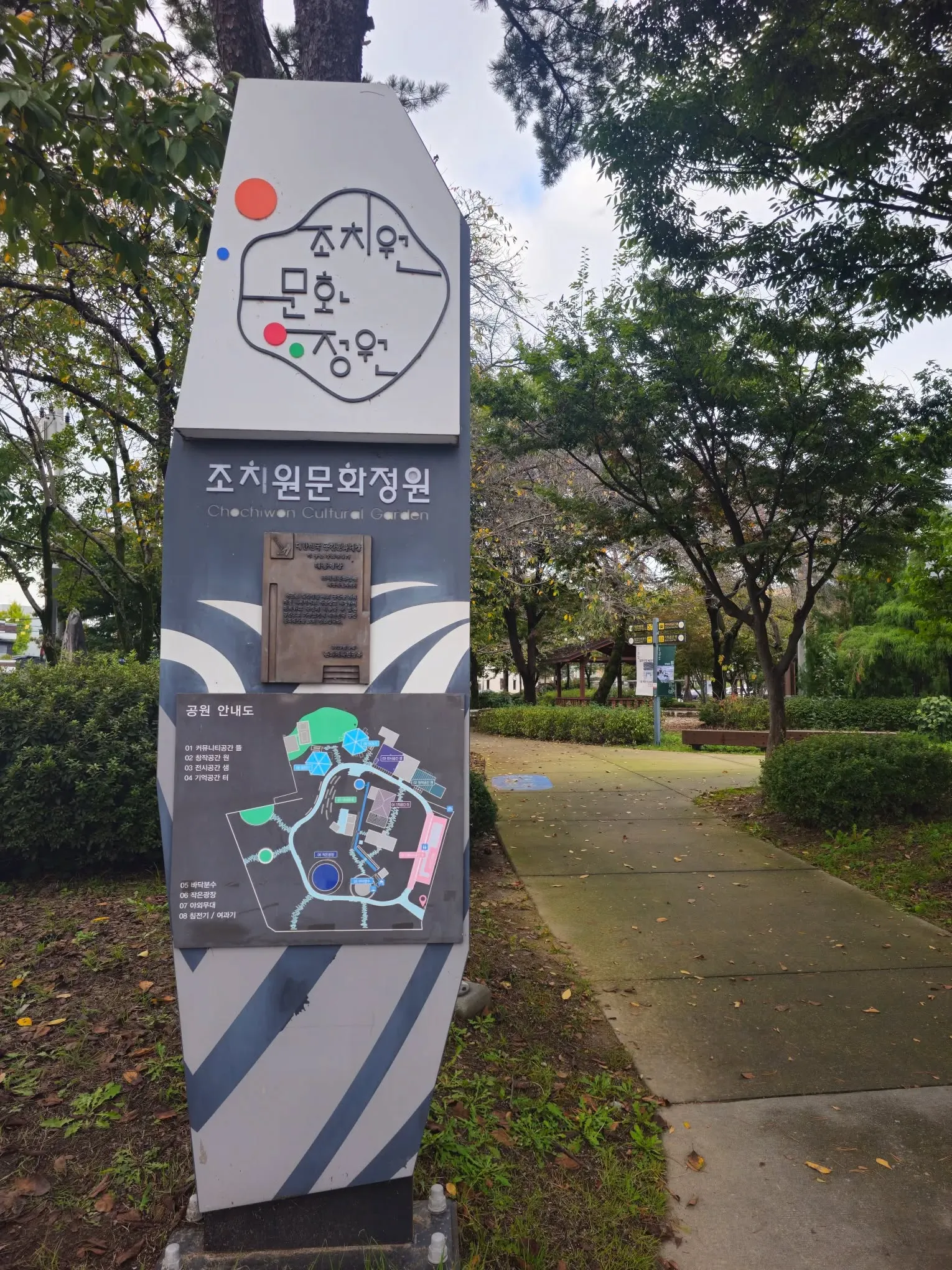 The entrance sign with a park map.
How to get there
By car: there’s no dedicated parking lot. I parked at a public car park nearby.
By public transport: I couldn’t confirm a route. Check Naver Map (switched to English): search Jochiwon Culture Garden, or paste the Korean name, 조치원문화정원.
How to check buses in English: install Naver Map and switch it to English in its settings. When I checked it in October 2026, the English version showed bus routes, stop names and live arrival times (minutes and stops away) in English. Google Maps also gives public transport directions in Korea, but as of late September 2026 it still had no turn-by-turn walking or driving navigation here. Stuck? Call the Korea Travel Hotline: dial 02-1330 from a Korean mobile phone (+82-2-1330 from abroad). It has English-speaking staff.
Tips
- Park nearby. There’s no dedicated lot; I used a public car park close by.
- Look down. Traces of the old waterways and filter tanks are left in the ground along the paths.
- Who it’s for (estimate): people interested in architecture or industrial heritage, and anyone after a quiet hour in Sejong. There’s no single big sight, so it may feel small if you want a major attraction.
Sources
Checked against Sejong City (village archive entry: address, 1935 plant, 78 years of supply, public park; city notices on the garden), the Ministry of Culture, Sports and Tourism’s press release of 3 September 2019 on the 2019 Korea Space Culture Awards (grand prize, 1935 plant closed in 2013, joined with the neighbouring park) and the award plaque in my photo. The visit, the parking and my impressions are from my own trip; the signs are from my photos.