Home / Jeolla / Gwangju History & Folk Museum
Gwangju History & Folk Museum: free museum in Korea with a 1920s street
Gwangju History & Folk Museum in Buk-gu: free entry, a hall on how people in the Jeolla region farmed, fished and traded, and Gwangju's modern history with a 1920s–30s street recreated.
- Getting there
- In Buk-gu, Gwangju. By car: the car park was big and free (my visit). By bus: check the live route in Naver Map.
- Cost
- Free (Korea Tourism Organization).
- Time needed
- 1–2 hours (estimate).
- Best time
- 09:00–18:00, last entry 17:30. Closed Mondays, 1 January and the day after public holidays (Korea Tourism Organization).
Tap any Korean name on this page to hear it. Prefer Naver Map? In the app (set to English), search Gwangju History & Folk Museum, or paste the Korean name:광주역사민속박물관
Short version: The Gwangju History & Folk Museum (광주역사민속박물관) is a free city museum in Buk-gu, Gwangju. The ground floor shows how people in the Namdo region (Korea’s southwest) lived: farming, fishing, markets, houses. The upper floor covers Gwangju’s modern history and recreates Chungjang-ro street as it was in the 1920s–30s. My photos are from around February 2025. Entry is free, and the car park was big and free.
Last checked: 18 November 2026. Hours, closing days, entry, the address and what each floor shows come from the Korea Tourism Organization (KTO) listings (Korean listing updated November 2026), and the floor plan board at the entrance, which I photographed. The impressions, the parking and the photos are from my own visit. I can’t confirm the exact day I went: the photos were posted on 22 February 2025. Tell me if anything has changed.
What it is
The KTO says the museum was set up to collect and preserve folk material that is disappearing as daily life changes, and its English-language listing says it opened in 1987.
If you go to Gwangju, you have to go here. It’s not just a museum: it really shows Namdo folk culture and Gwangju’s history properly. Even the name feels really Korean.
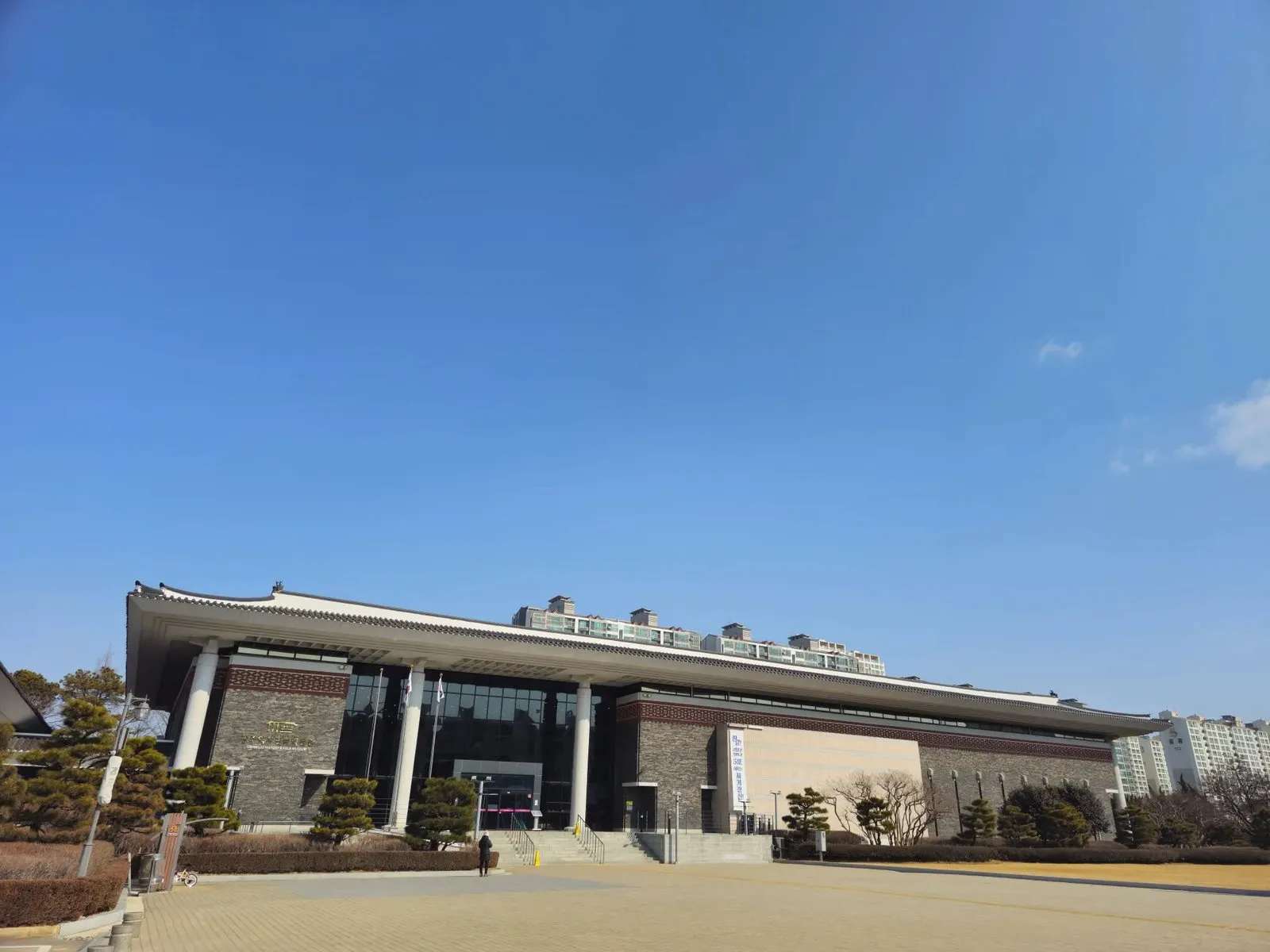
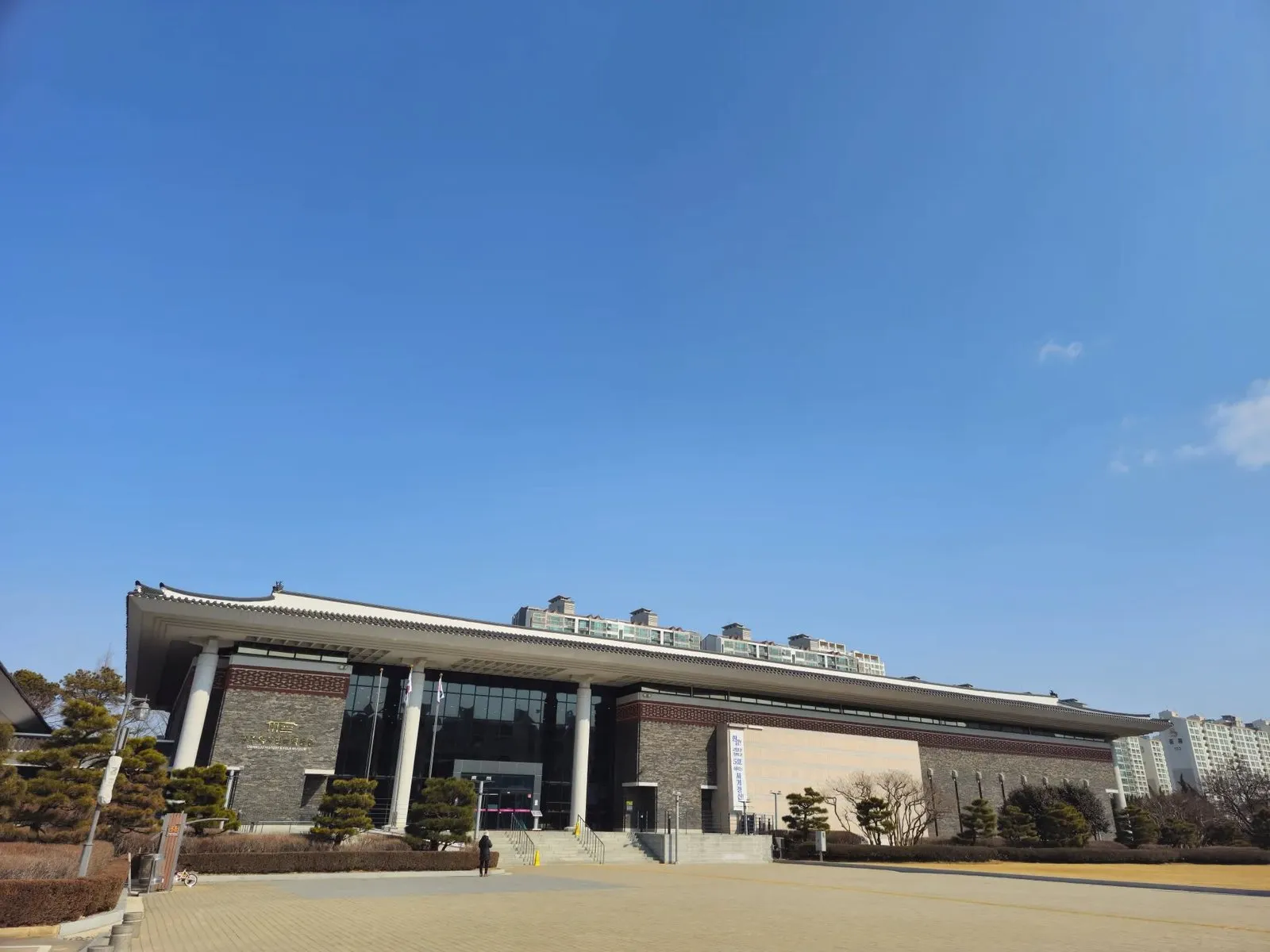 The museum from the forecourt.
Ground floor: Namdo Folk Hall
The floor plan board at the entrance names six themes on the ground floor: Namdo’s nature, farming, houses, fishing, markets and arts. The KTO describes this floor as the life of people in Jeolla and the nature they lived with.
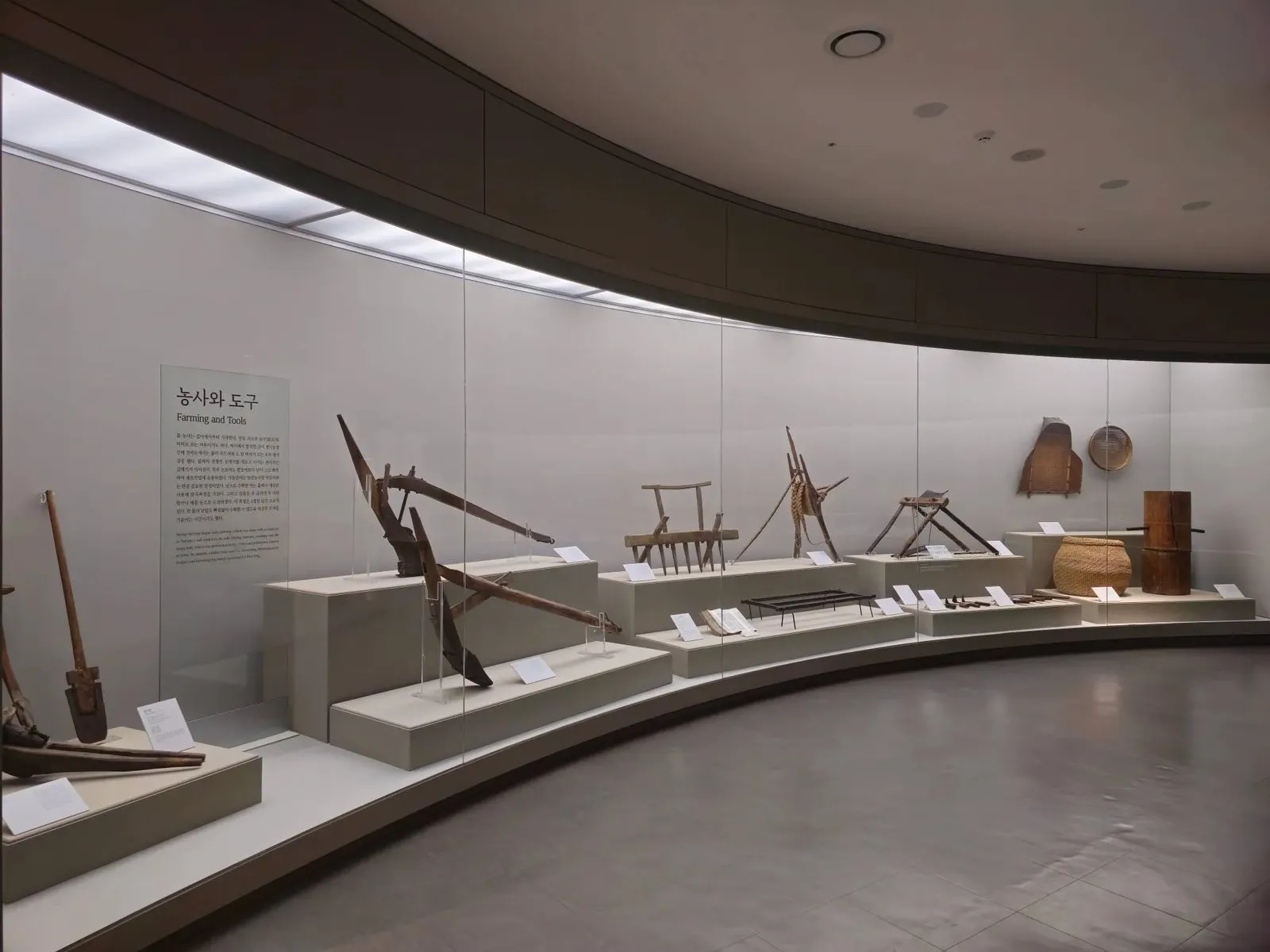 “Farming and Tools”: ploughs, rakes, baskets and a wooden mortar.
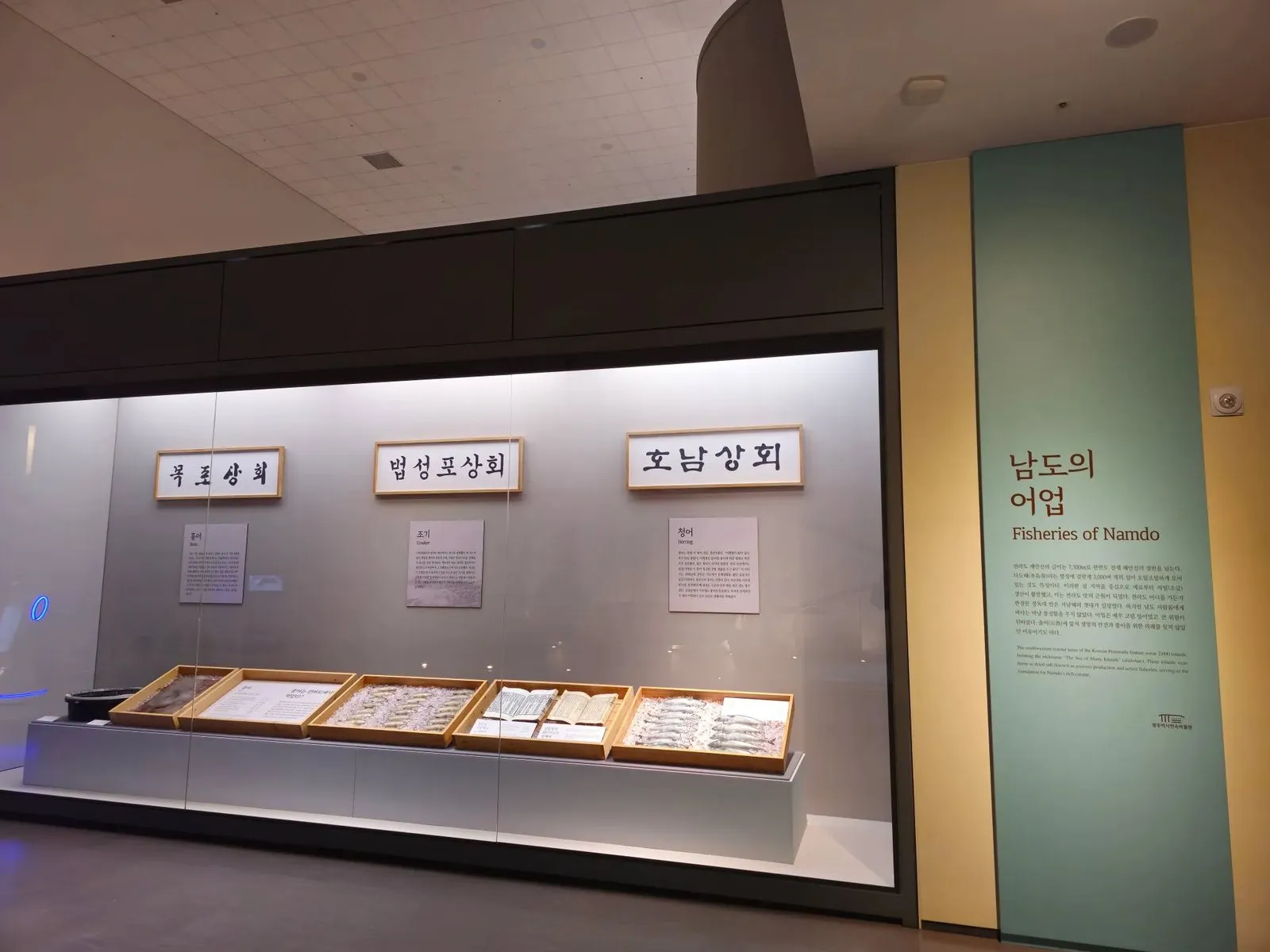 The fisheries section, with merchants’ signboards above trays of fish displays.
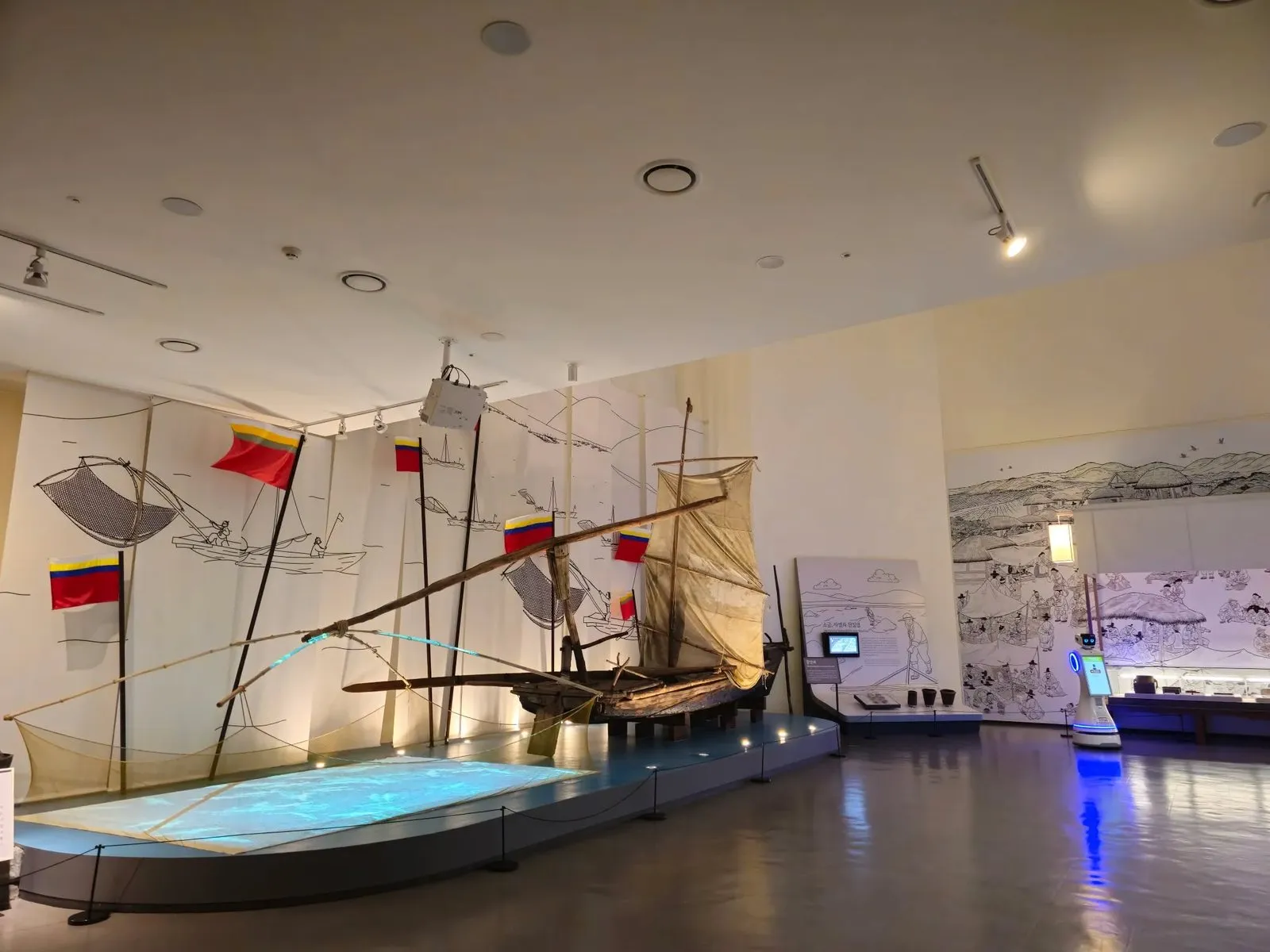 A wooden fishing boat with its sail up.
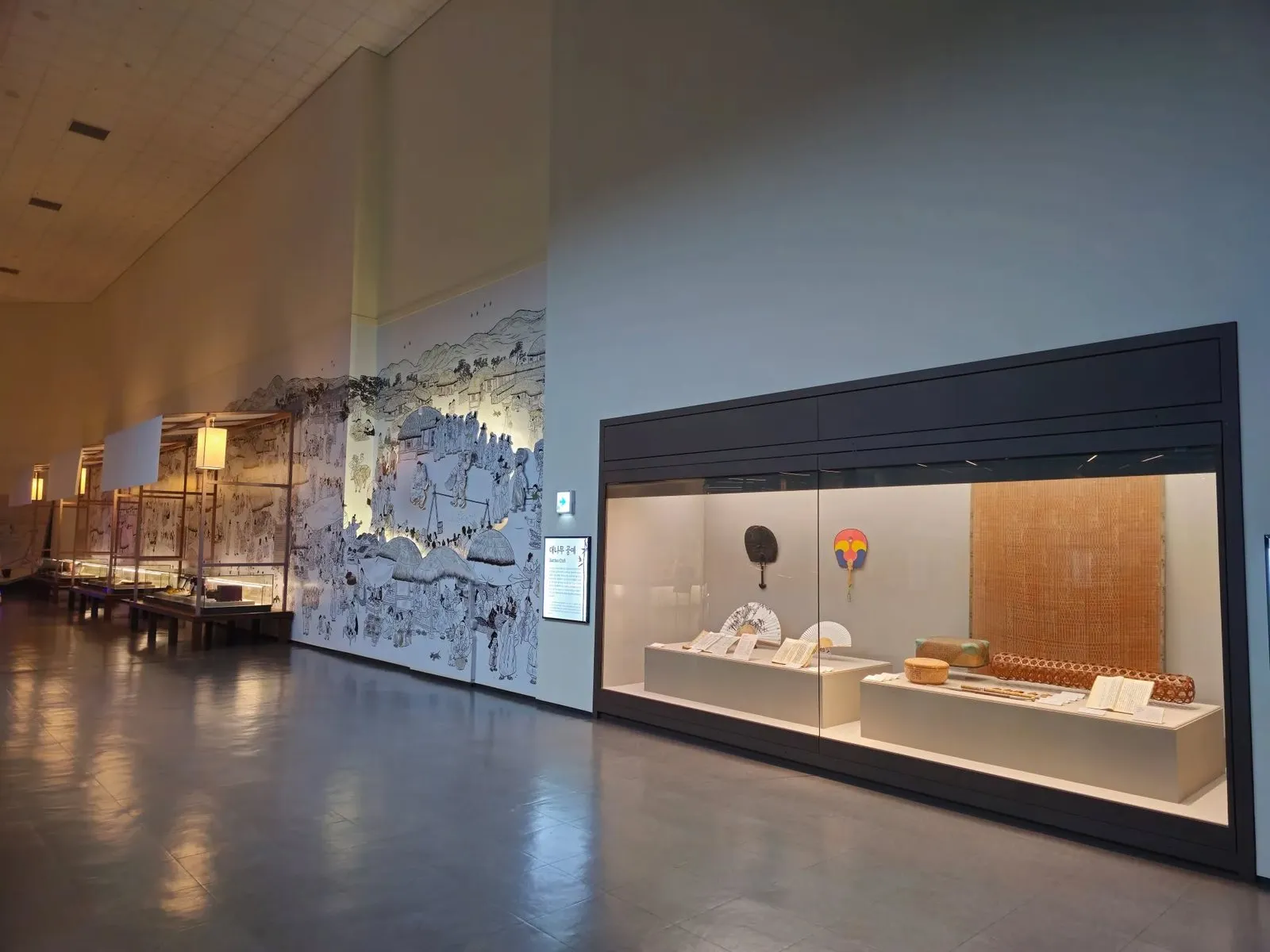 A drawn market scene beside the bamboo-craft case.
The house section is built as a traditional tiled-roof house with its rooms behind glass: a room of wooden chests with brass fittings, and a kitchen with baskets, bowls and a big storage jar. Beside it is a sauce-jar terrace (장독대) of big brown pottery jars in front of a stone wall.
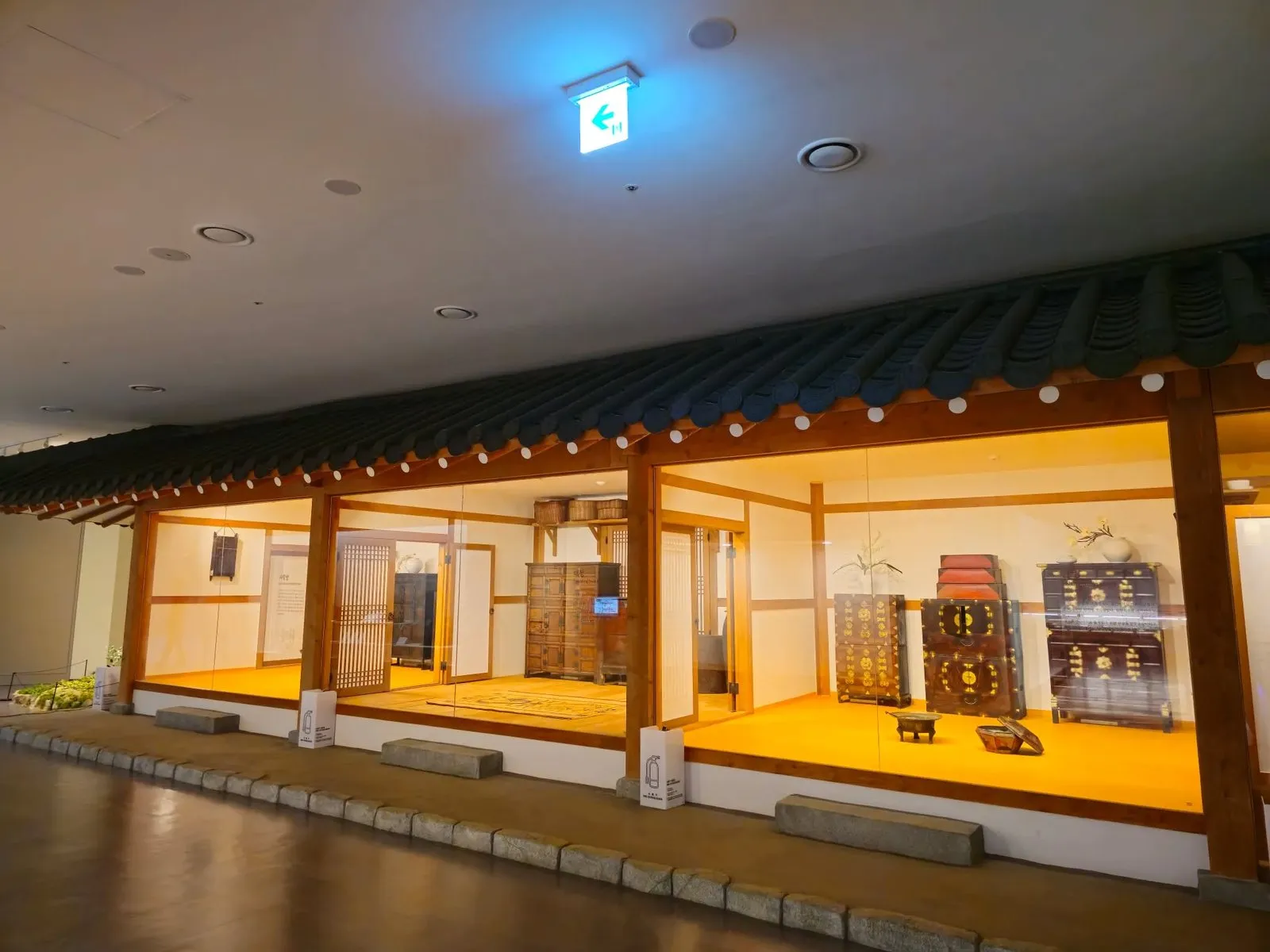 Rooms of a traditional house, behind glass.
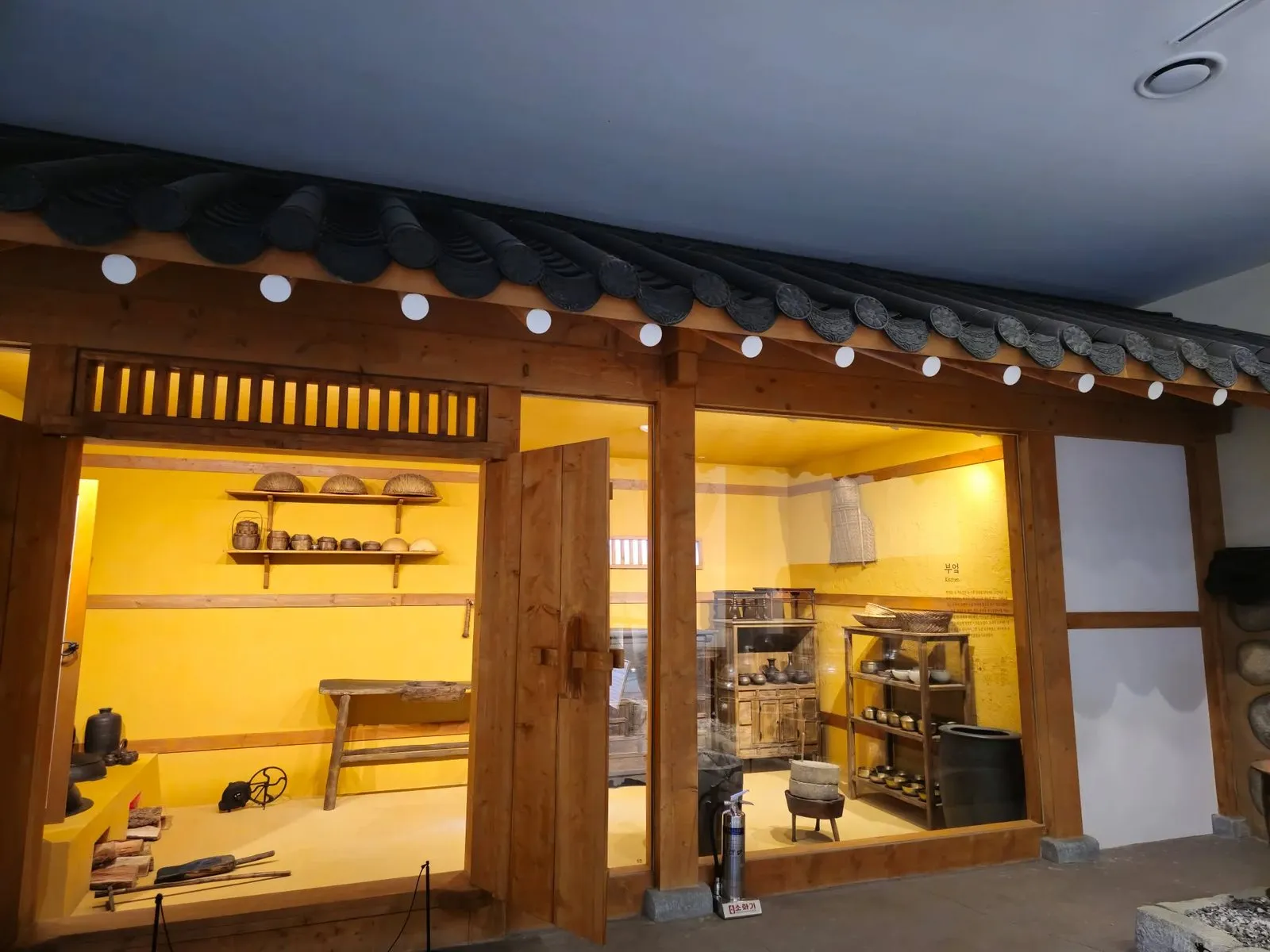 The kitchen.
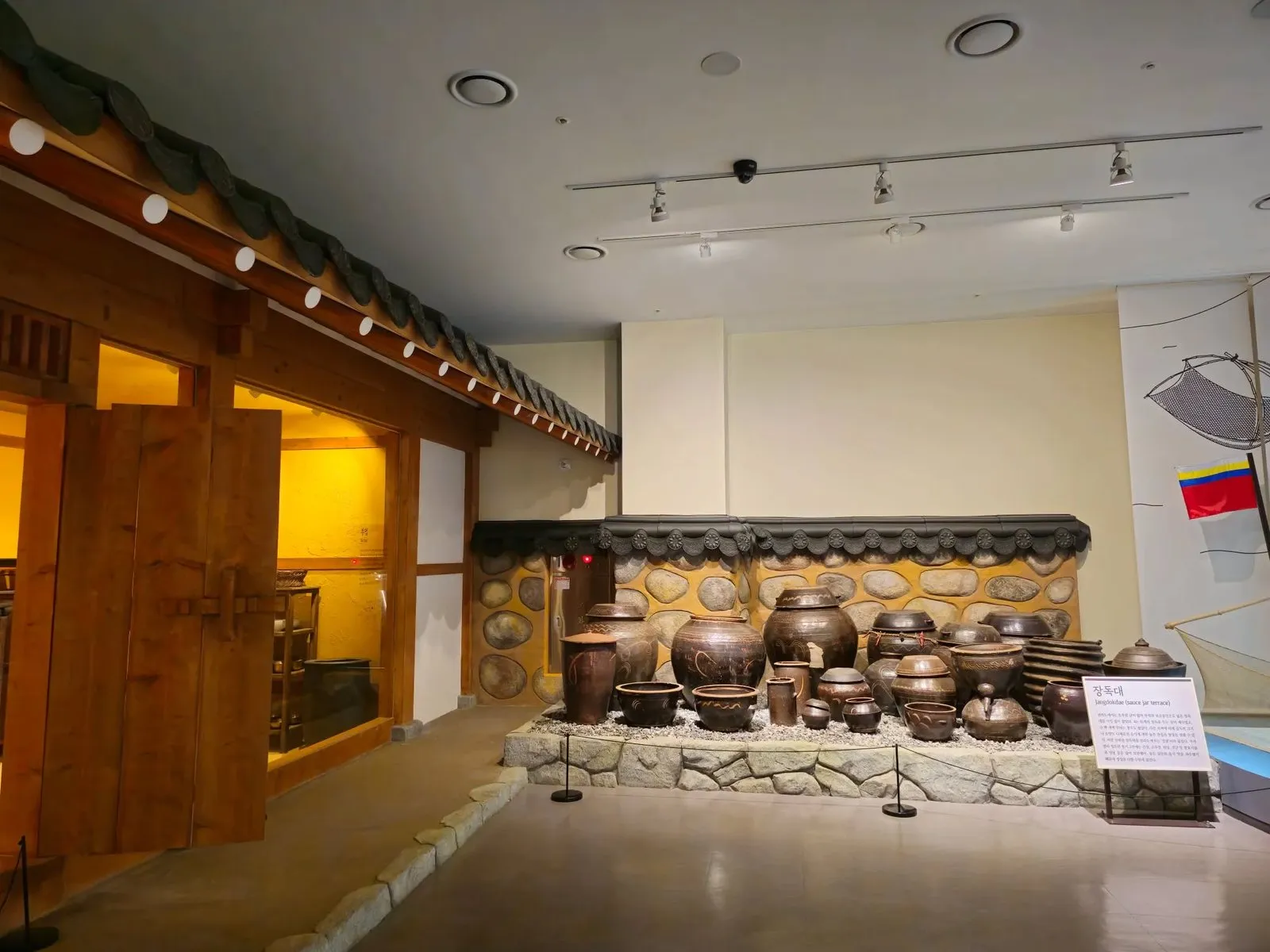 The sauce-jar terrace.
Upper floor: Modern History of Gwangju
The board at the entrance names three parts upstairs: Gwangju Eupseong (the old walled town), Chungjang-ro and Geumnam-ro. The KTO says this floor covers Gwangju from the Joseon era through Japanese rule to after liberation, with a model of the town walls that disappeared in the early 1900s, a recreated 1920s–30s Chungjang-ro street showing life under Japanese rule, and material on the April 19 Revolution and the May 18 Democratic Uprising.
The most interesting part for me was the recreated 1920s–30s Chungjang-ro street. It felt like riding a time machine, so amazing. There’s no photo of the street itself here.
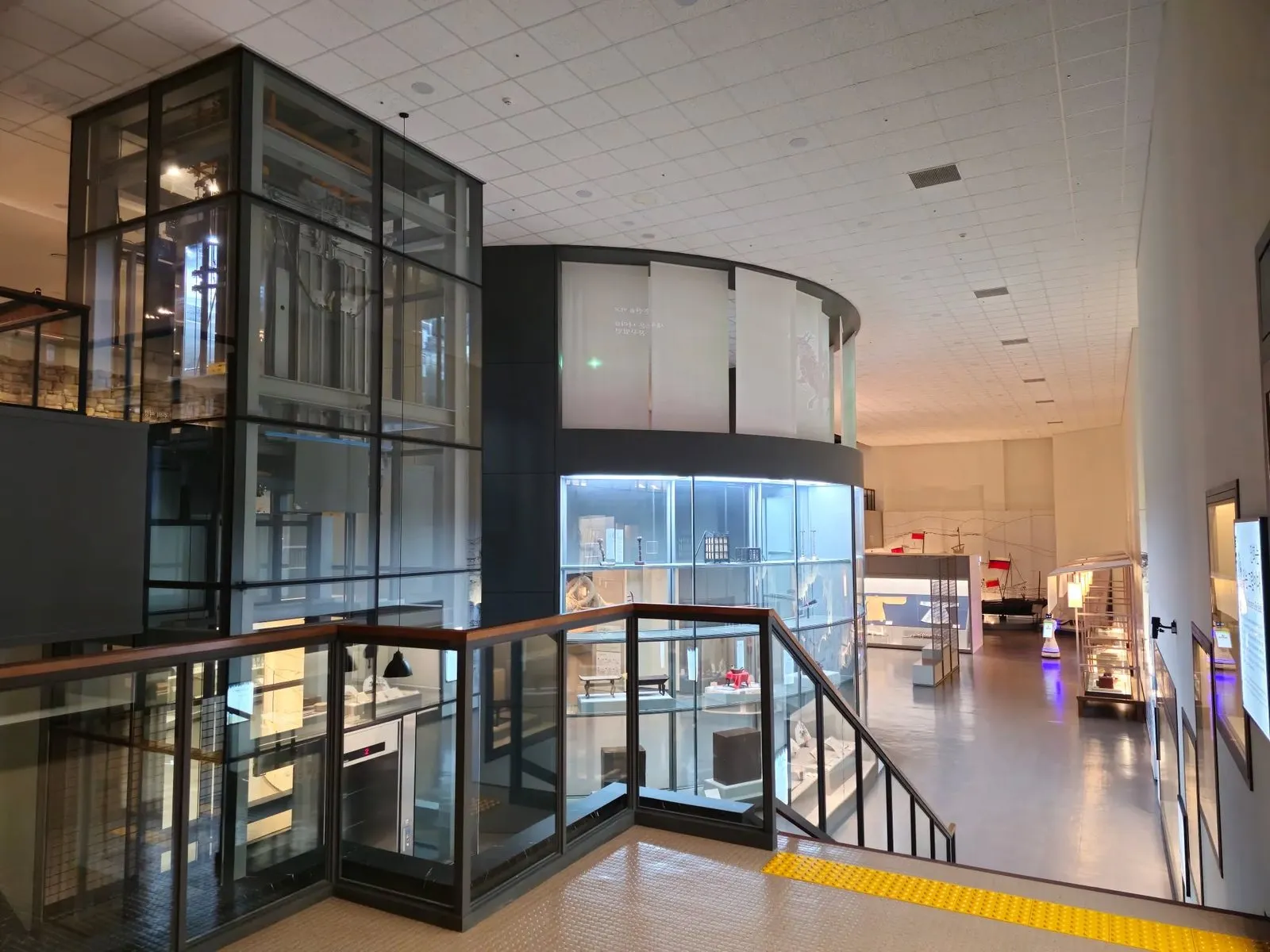 From the stairs between the two floors.
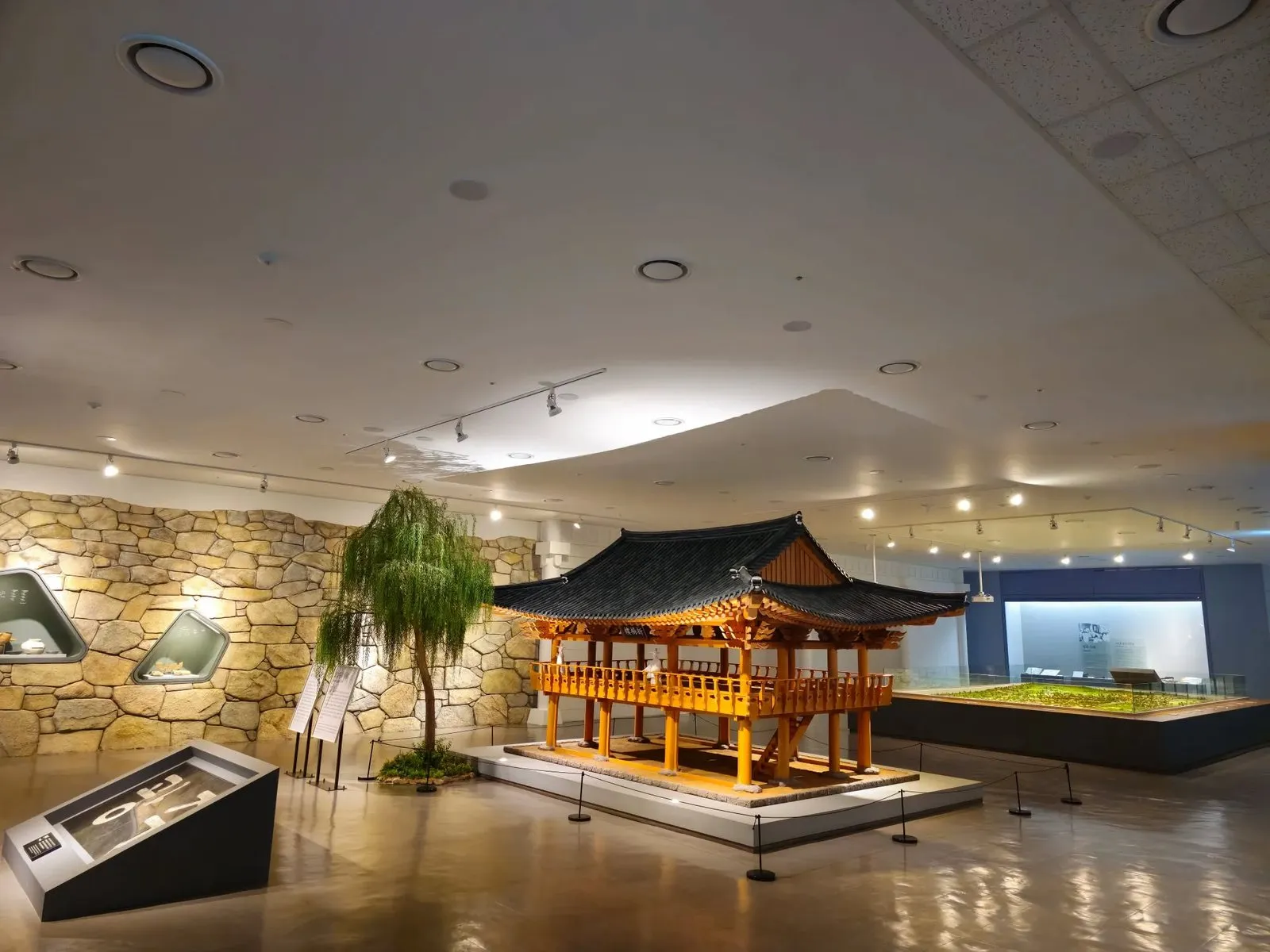 A pavilion and a stone wall inside the museum.
Outside
The KTO says the outdoor exhibition area has about 100 folk pieces and structures, including standing stones, stone lanterns, stone guardian posts, stone Buddhas, memorial stones and a watermill.
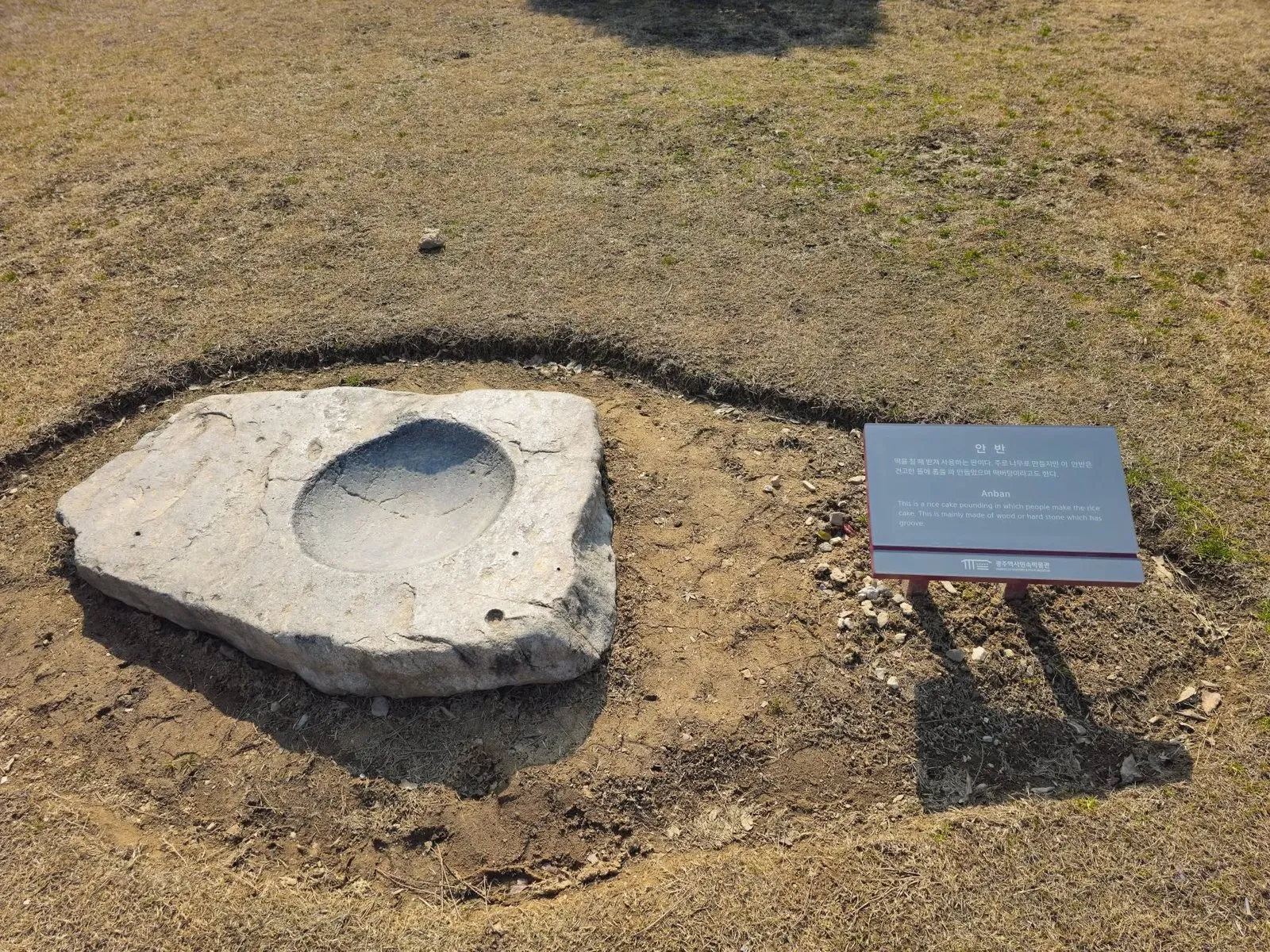 In the outdoor area: an anban, a stone base for pounding rice cakes, according to its sign.
Visiting
| Gwangju History & Folk Museum | |
|---|---|
| Entry | Free (KTO) |
| Hours | 09:00–18:00, last entry 17:30 (KTO) |
| Closed | Mondays, 1 January and the day after public holidays (KTO) |
| Parking | Big and free when I went (my visit) |
| Address | 48-25 Seoha-ro, Buk-gu, Gwangju (KTO). Official addresses now end “Jeonnam-Gwangju Special Metropolitan City”: Gwangju merged with South Jeolla on 1 July 2026 (KTO English listing; merger date from news reports). |
How to get there
By car: the car park is big and free (my visit). Search the Korean name, 광주역사민속박물관, in Naver Map.
By bus: we haven’t listed bus details here. Check the live route in Naver Map.
How to check buses in English: install Naver Map and switch it to English in its settings. When I checked it in October 2026, the English version showed bus routes, stop names and live arrival times (minutes and stops away) in English. Google Maps also gives public transport directions in Korea, but as of late September 2026 it still had no turn-by-turn walking or driving navigation here. Stuck? Call the Korea Travel Hotline: dial 02-1330 from a Korean mobile phone (+82-2-1330 from abroad). It has English-speaking staff. More in our guide to taking buses in Korea in English.
Tips
- Don’t go on a Monday. The KTO lists it as closed on Mondays, and on the day after a public holiday.
- Make a day of it. The KTO lists the Gwangju Biennale Exhibition Hall and the Gwangju Museum of Art nearby. The Gwangju National Museum is also in Buk-gu.
- Upstairs is the time machine. Leave time for the 1920s–30s street on the upper floor.
Who it’s for
Likely to suit (estimate): people who like history and everyday life of the past, families, and anyone after a free indoor stop in Gwangju.
Sources
The Korea Tourism Organization’s Korean listing (updated November 2026: the museum’s purpose, the two floors and what they show, the town-wall model, the 1920s–30s Chungjang-ro street, the April 19 and May 18 material, the outdoor area of about 100 pieces, the nearby Biennale Exhibition Hall and Museum of Art, the hours, closing days, free entry and the address) and its English listing (opened 1987; the address under the merged city’s name); the floor plan board at the entrance and the anban sign, which I photographed. The impressions, the parking and the photos are from my own visit.