Home / Chungcheong / Soje-dong railway village (Daejeon)
Soje-dong, Daejeon: cafés in old railway houses, like Ikseon-dong
Quiet alleys of colonial-era railway houses near Daejeon Station, with cafés and restaurants tucked in between. It felt like Seoul's Ikseon-dong. Free parking nearby when I went in October 2026.
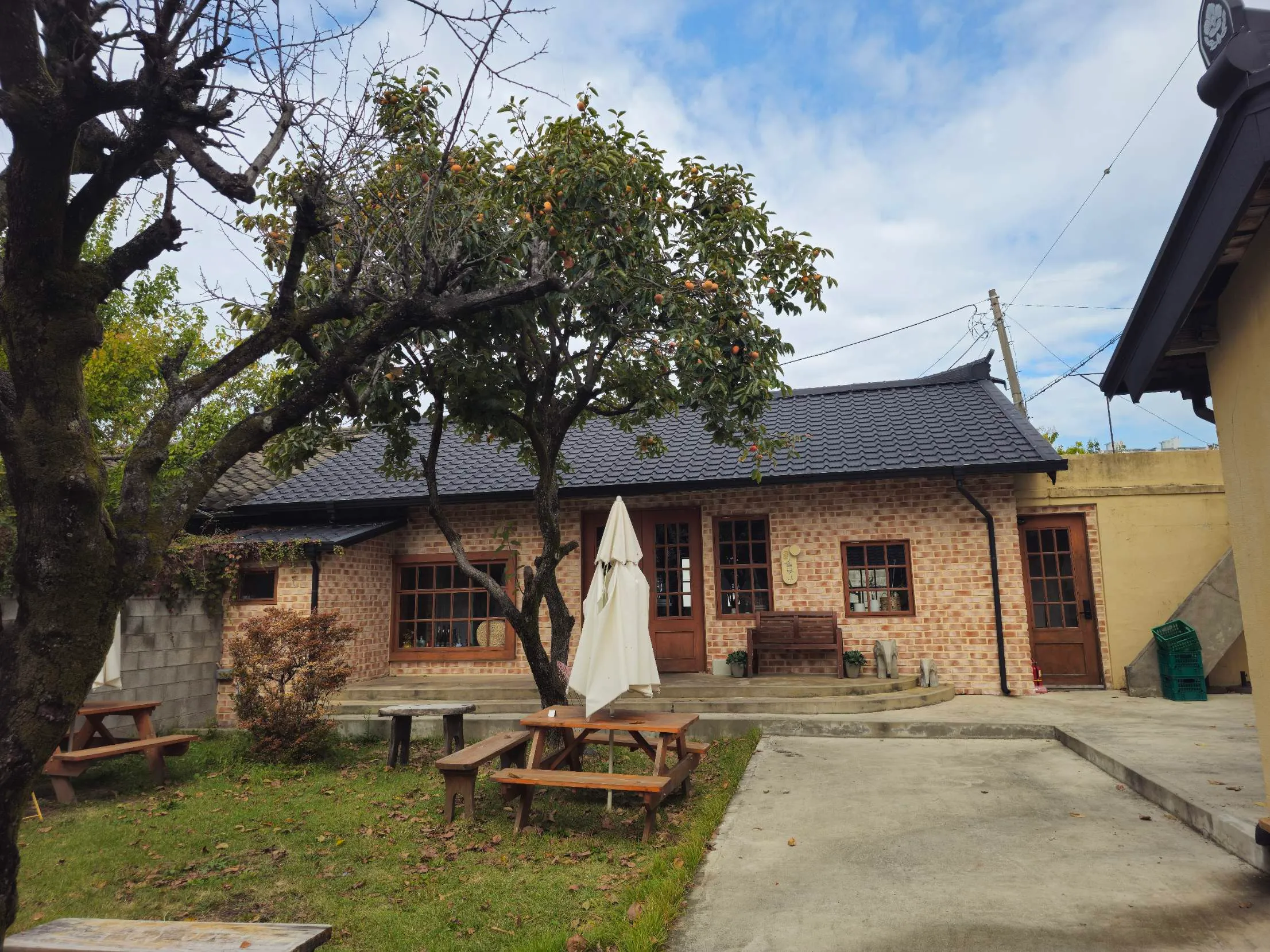
- Getting there
- Soje-dong, Dong-gu, Daejeon, near Daejeon Station. I drove and parked for free under the bridge beside the village (October 2026). For buses, check the live route in Naver Map (in English).
- Cost
- Free to walk around (Korea Tourism Organization; free when I went too, October 2026). Parking was free when I went (Tuesday morning, October 2026).
- Time needed
- About 1 to 2 hours with a coffee or a meal (estimate)
- Best time
- The area is open at all times (Korea Tourism Organization); each café and restaurant keeps its own hours.
Tap any Korean name on this page to hear it. Prefer Naver Map? In the app (set to English), search Soje-dong Daejeon, or paste the Korean name:소제동 철도관사촌
Short version: Soje-dong (소제동), near Daejeon Station, is a neighborhood of small houses built for Japanese railway engineers during the colonial period, a few dozen of which still stand. Today pretty cafés and restaurants are hidden here and there between its quiet alleys. I was there on the morning of 20 October 2026. It felt like being in Ikseon-dong in Seoul. Ikseondada, the company behind Ikseon-dong’s revival, began developing Soje-dong in 2017. I’d say it’s worth coming to once as a date spot. I parked for free under the bridge right by the village.
Last checked: 20 October 2026. The neighborhood’s railway history, free entry and open-at-all-times status come from the Korea Tourism Organization’s listing (updated February 2026) and Maeil Shinmun (2020). The link with Ikseon-dong comes from Hankyung Business (2019) and Dealsite (2020). The parking, the photos and my impressions are from my own visit that morning. Tell me if anything has changed.
What it is
According to the Korea Tourism Organization, Japanese railway engineers lived here in large numbers during the colonial period; more than 100 houses once stood here, and about 40 remain. Maeil Shinmun (2020) also describes the houses as built for Japanese railway engineers and puts the number left at “30-odd,” so a few dozen remain. Maeil Shinmun dates Daejeon’s growth to the opening of the Gyeongbu Line in 1905.
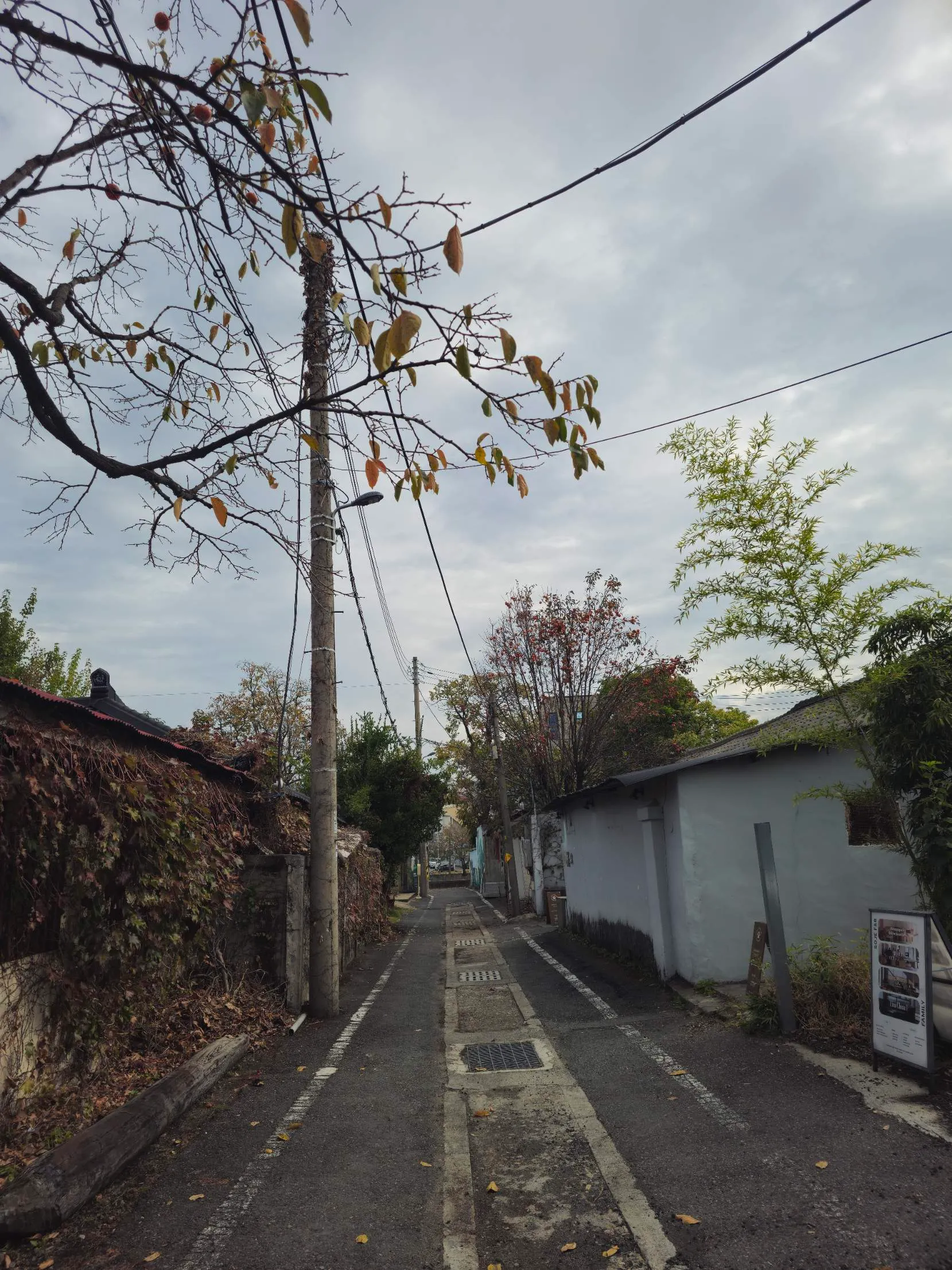 One of the quiet alleys.
Why it feels like Ikseon-dong
It feels like being in Ikseon-dong in Seoul. Ikseondada, the company that revived Ikseon-dong’s old hanok alleys, came to Daejeon and began developing Soje-dong in 2017 (Hankyung Business, 2019; Dealsite, 2020). Dealsite reported in 2020 that it ran 13 food and drink places here.
“Soje-hada Village” is the title of a map board in the village. It lists cafés from four brands (Champspace, Middle Coffee Lab, BeBEOM and LimChun), including branches in other cities; three of the spots are in Soje-dong. On maps, look for Soje-dong.
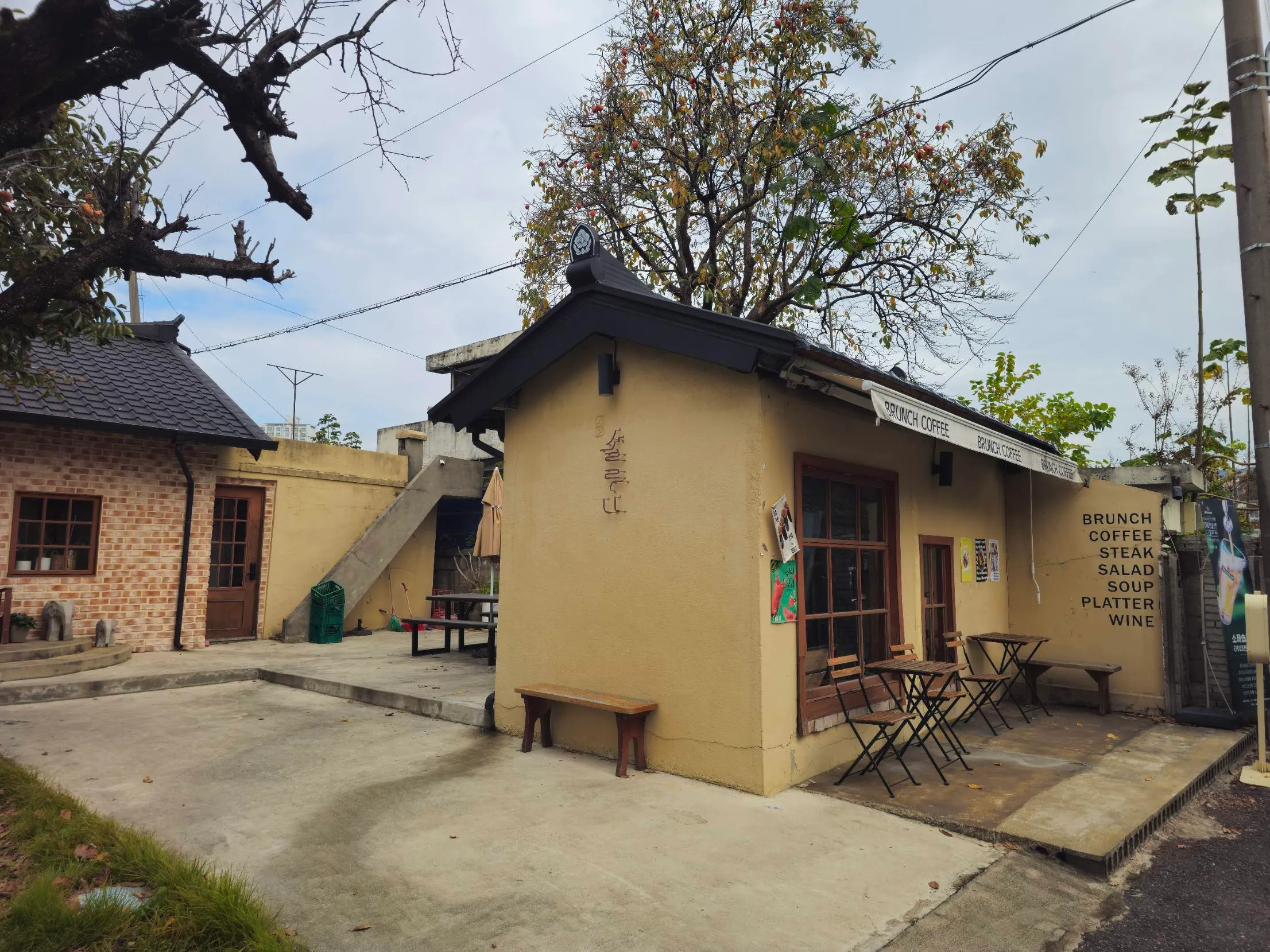 A café in one of the old houses.
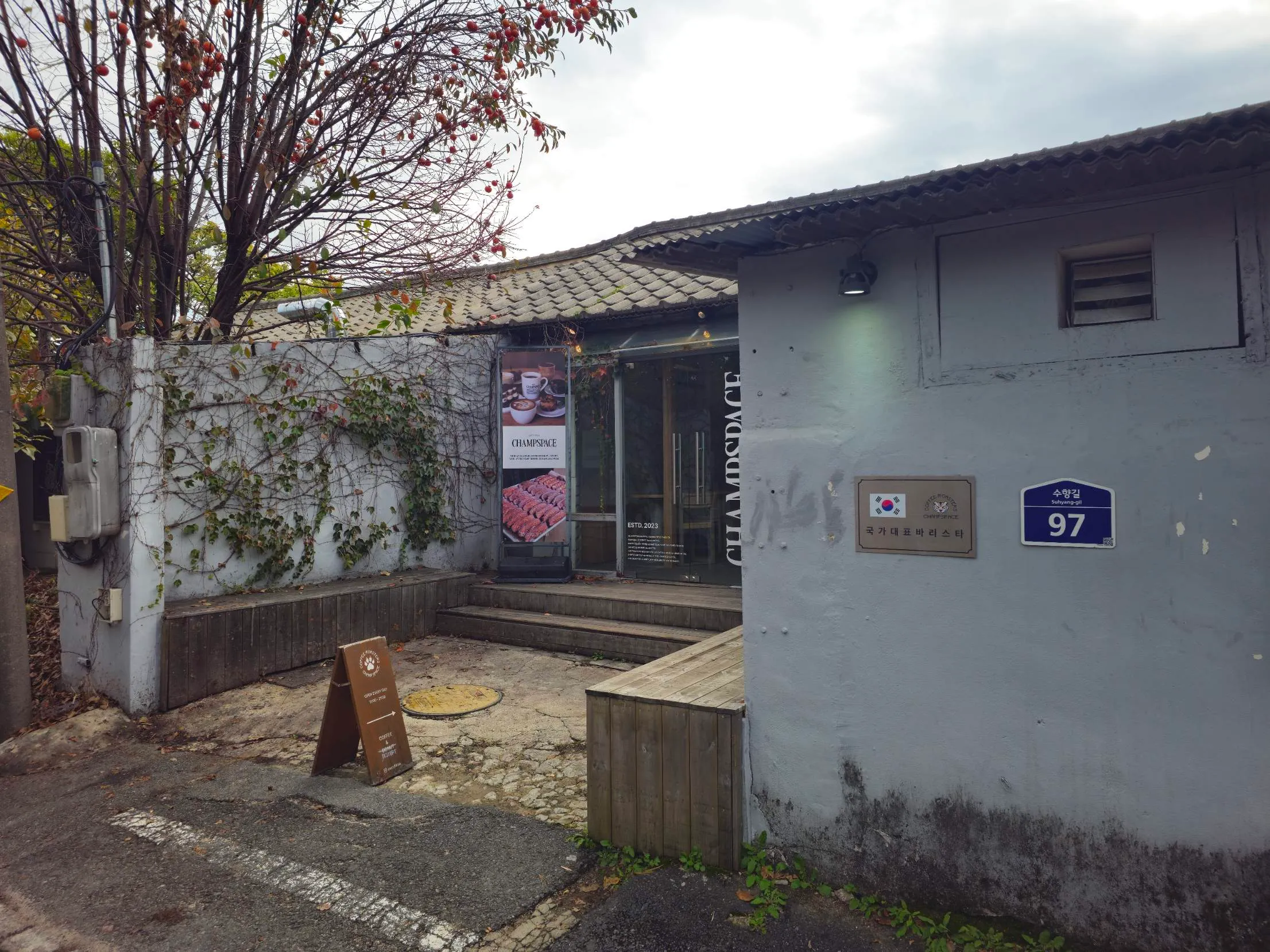 Suhyang-gil, one of the lanes.
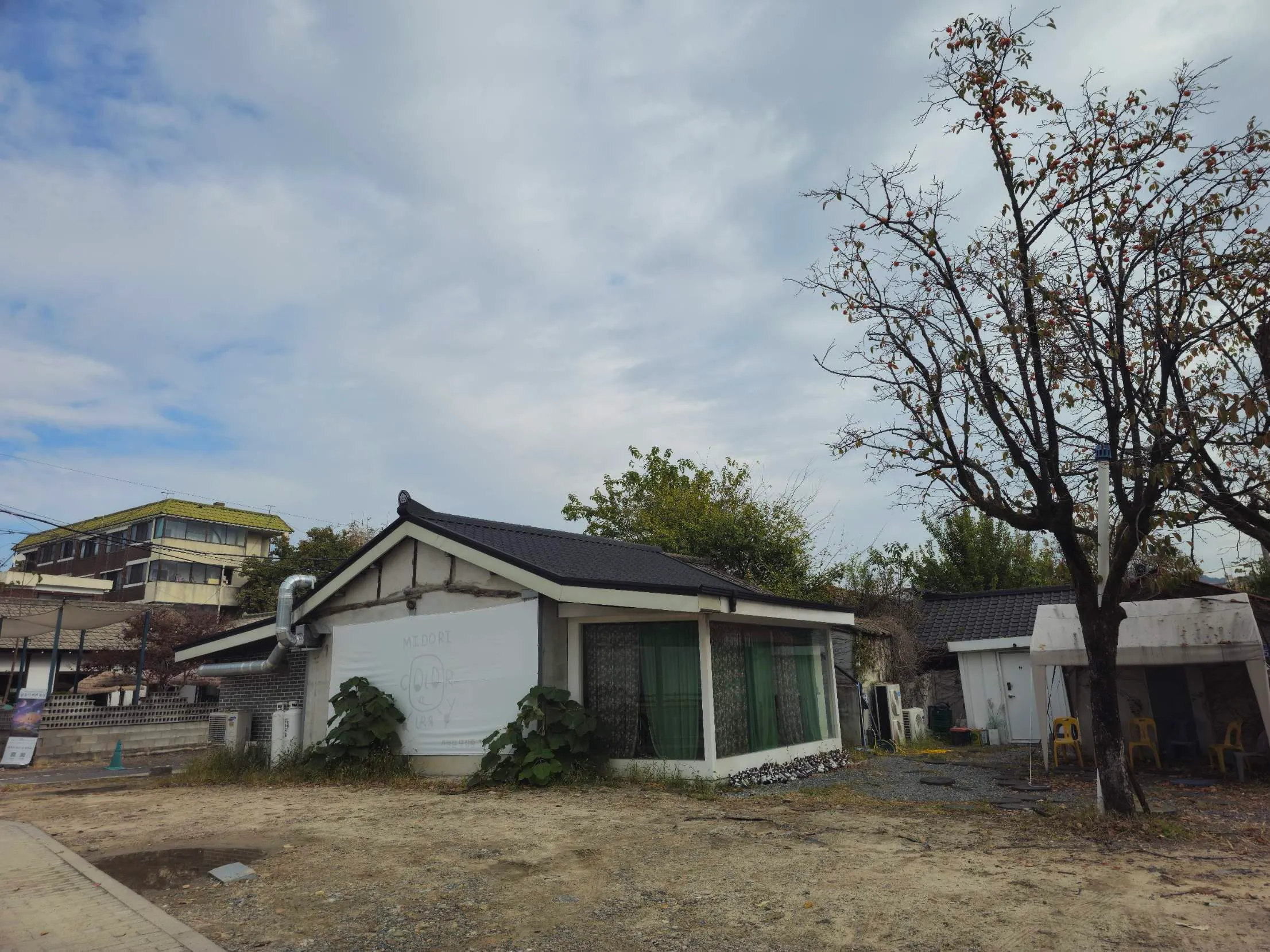 More old houses in new use.
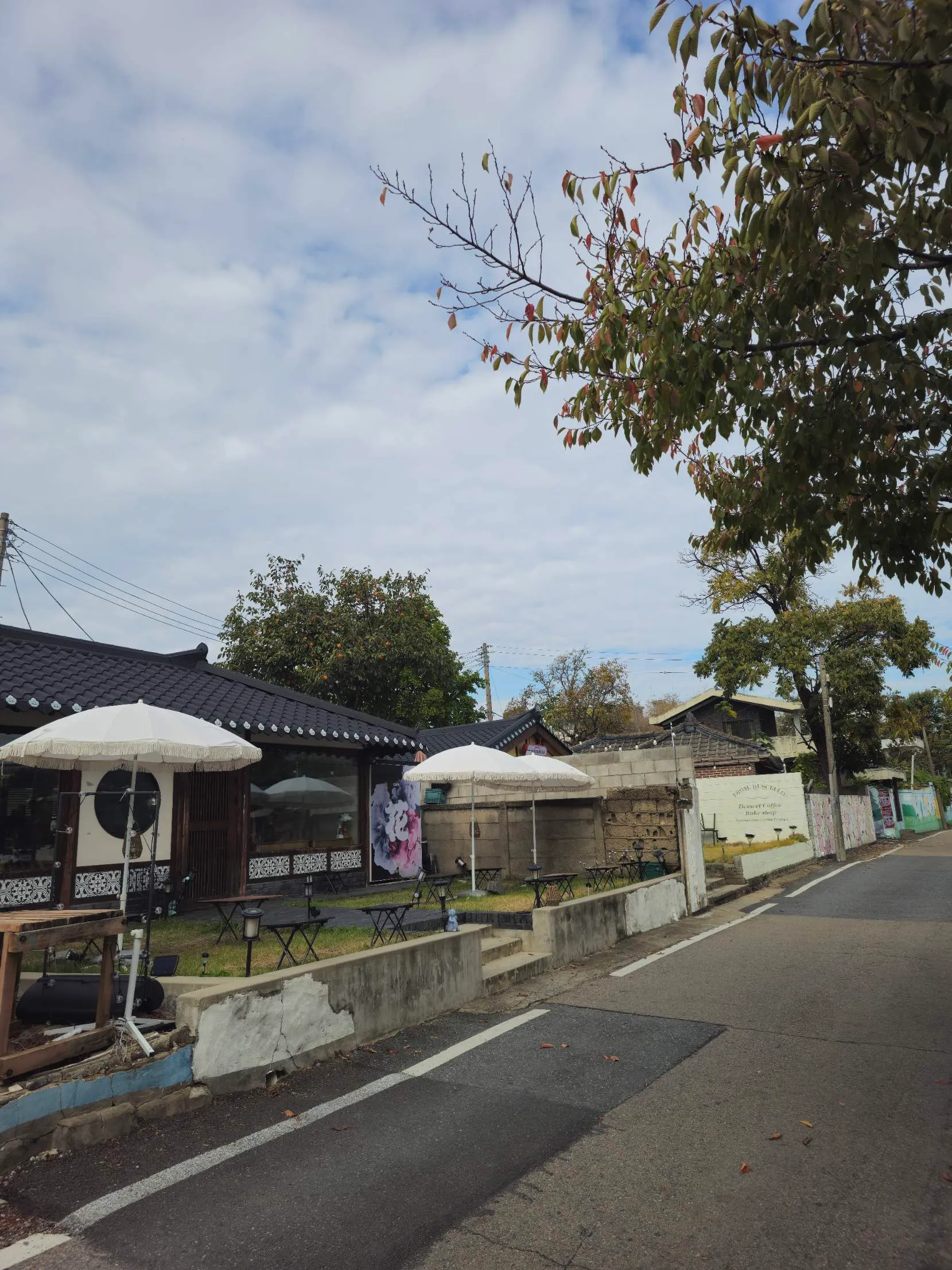 Pretty cafés hidden here and there.
Visiting
| Soje-dong railway village (Daejeon) | |
|---|---|
| Where | Soje-dong, Dong-gu, Daejeon (Korea Tourism Organization) |
| Hours | The area is open at all times (Korea Tourism Organization); cafés and restaurants keep their own hours |
| Cost | Free to walk around (Korea Tourism Organization; free when I went too, October 2026) |
| Parking | A big free lot under the bridge right by the village. I parked very easily on a Tuesday morning (October 2026); I don’t know about weekends |
How to get there
By car: I drove and used the big free parking lot under Cheolgap Bridge (철갑교), right by the village. I don’t know about weekends, but on the Tuesday morning I went, I parked very easily. The Korea Tourism Organization also lists free parking.
By public transport: check the live route in Naver Map (switched to English): search Soje-dong Daejeon, or paste 소제동 철도관사촌.
How to check buses in English: install Naver Map and switch it to English in its settings. When I checked it in October 2026, the English version showed bus routes, stop names and live arrival times (minutes and stops away) in English. Google Maps also gives public transport directions in Korea, but as of late September 2026 it still had no turn-by-turn walking or driving navigation here. Stuck? Call the Korea Travel Hotline: dial 02-1330 from a Korean mobile phone (+82-2-1330 from abroad). It has English-speaking staff.
Tips
- Come for a date. I think it’s worth coming to once as a date spot.
- Wander the side alleys. The places are hidden here and there between them.
- Also in Daejeon: Hanbat Arboretum, a free arboretum in the middle of the city.
Who it’s for
Likely to suit (estimate): couples, café lovers, and anyone who liked Ikseon-dong in Seoul.
Sources
Checked against the Korea Tourism Organization’s listing for the railway village (updated February 2026: Japanese railway engineers in the colonial period, more than 100 houses once and about 40 now, free, open at all times, parking), Maeil Shinmun (June 2020: houses for Japanese railway engineers, 30-odd left, the 1905 Gyeongbu Line), Hankyung Business (November 2019: Ikseondada, the company behind Ikseon-dong’s revival, started in Soje-dong in 2017) and Dealsite (August 2020: Ikseondada developing Soje-dong from 2017, 13 places). The map board, the parking, the photos and my impressions are from my own visit.