Home / Incheon / Daeryong Market (Gyodong Island)
Gyodong Island, Ganghwa: Daeryong Market near the North Korea border
An alley market on Gyodong Island, off Ganghwa, started by people displaced by the Korean War. Bring a passport, and why I'd arrive before 10 a.m. if you drive.
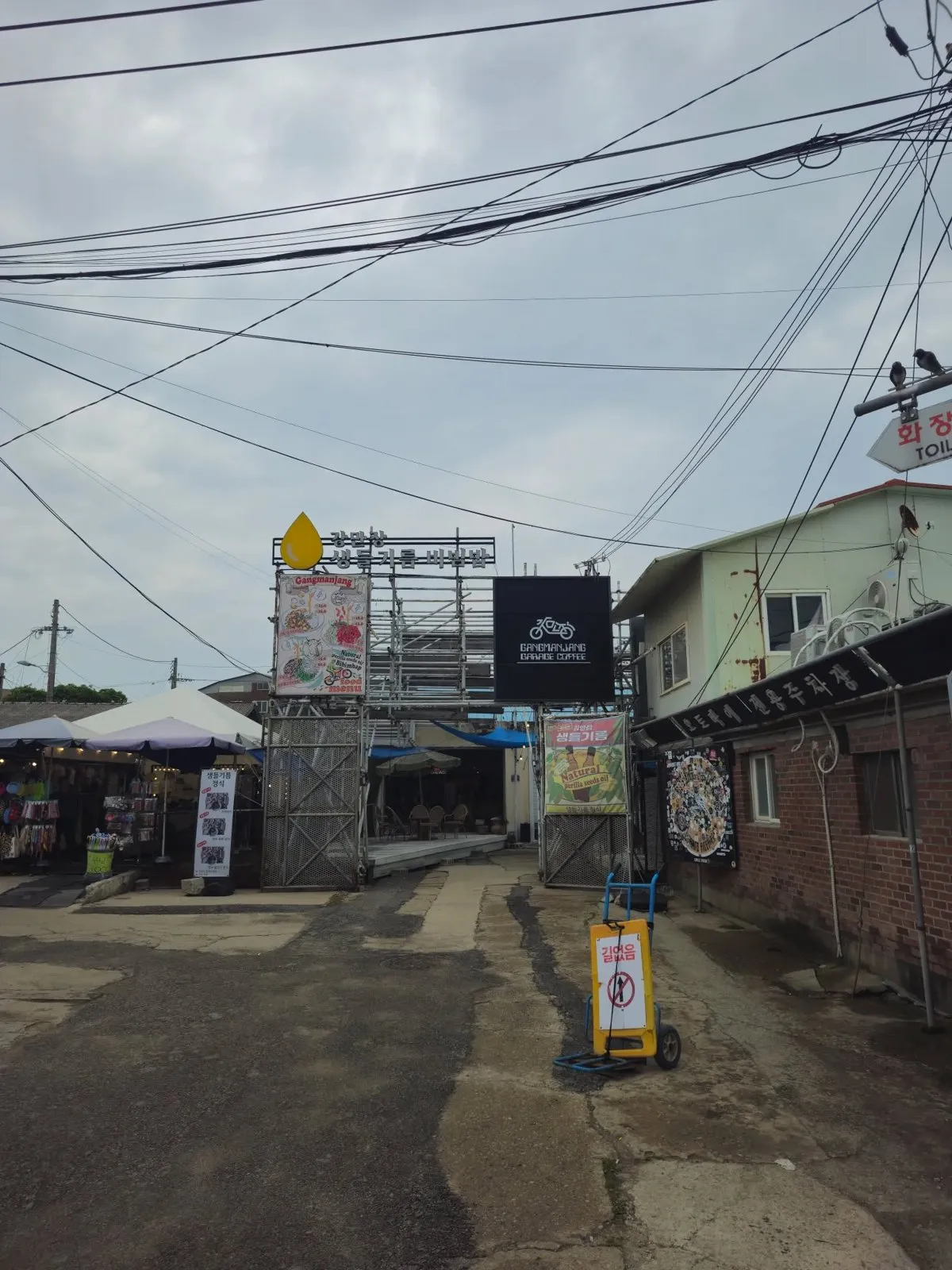
- Getting there
- 35 Gyodongnam-ro, Gyodong-myeon, Ganghwa-gun, Incheon, on Gyodong Island (reached by a bridge from Ganghwa Island). Carry your passport (it is inside the civilian control zone). For buses, check the live route in Naver Map (in English).
- Cost
- Free to walk around when I visited (May 2026). VisitKorea lists free parking on Gyodong; the lot was full when I arrived at 10 a.m. on a Saturday.
- Time needed
- 1–2 hours at the market (estimate), plus the trip there
- Best time
- If you drive, arrive before 10 a.m. Shop hours: couldn't confirm (each shop keeps its own)
Tap any Korean name on this page to hear it. Prefer Naver Map? In the app (set to English), search Daeryong Market Gyodong, or paste the Korean name:대룡시장
Short version: Daeryong Market is a small alley market on Gyodong Island, just off Ganghwa Island in Incheon, near the border with North Korea. It was started after the Korean War by people who couldn’t go home, and Incheon’s tourism site says its streets and signboards recall the 1960s and ’70s. I drove there on a Saturday in May 2026; it was my eighth visit. My verdict: it’s been getting better and better over my visits. My tip if you drive: the parking lot was already full when I arrived at 10 a.m., so get there earlier.
Last checked: 15 October 2026. The market’s address and history come from Incheon’s official English tourism site, and the bridge opening date from Incheon’s site and VisitKorea. The checkpoint rules come from Incheon’s English site and Korean news reports from September 2026; I found no newer reports as of 15 October 2026. Free entry and the traffic and parking story are from my own trips in May 2026. For public transport, use Naver Map’s live routes. Tell me if anything has changed.
What it is
Incheon’s English tourism site says Daeryong Market was created after the Korean War by displaced people who couldn’t return to their hometown, and that they modeled it on the market back home. The page names that market as Yeonbaek Market (spelled “Yeonbak” there). Korean news reports place Yeonbaek County in Hwanghae Province, across the water in what is now North Korea. The same Incheon page (last updated in 2021) says tea houses, tailors, drugstores and barbers here have run for decades, and that the streets and signboards recall the 1960s and ’70s.
Gyodong Island became more accessible when a road bridge from Ganghwa Island opened in July 2014 (Incheon’s English tourism and city sites; VisitKorea).
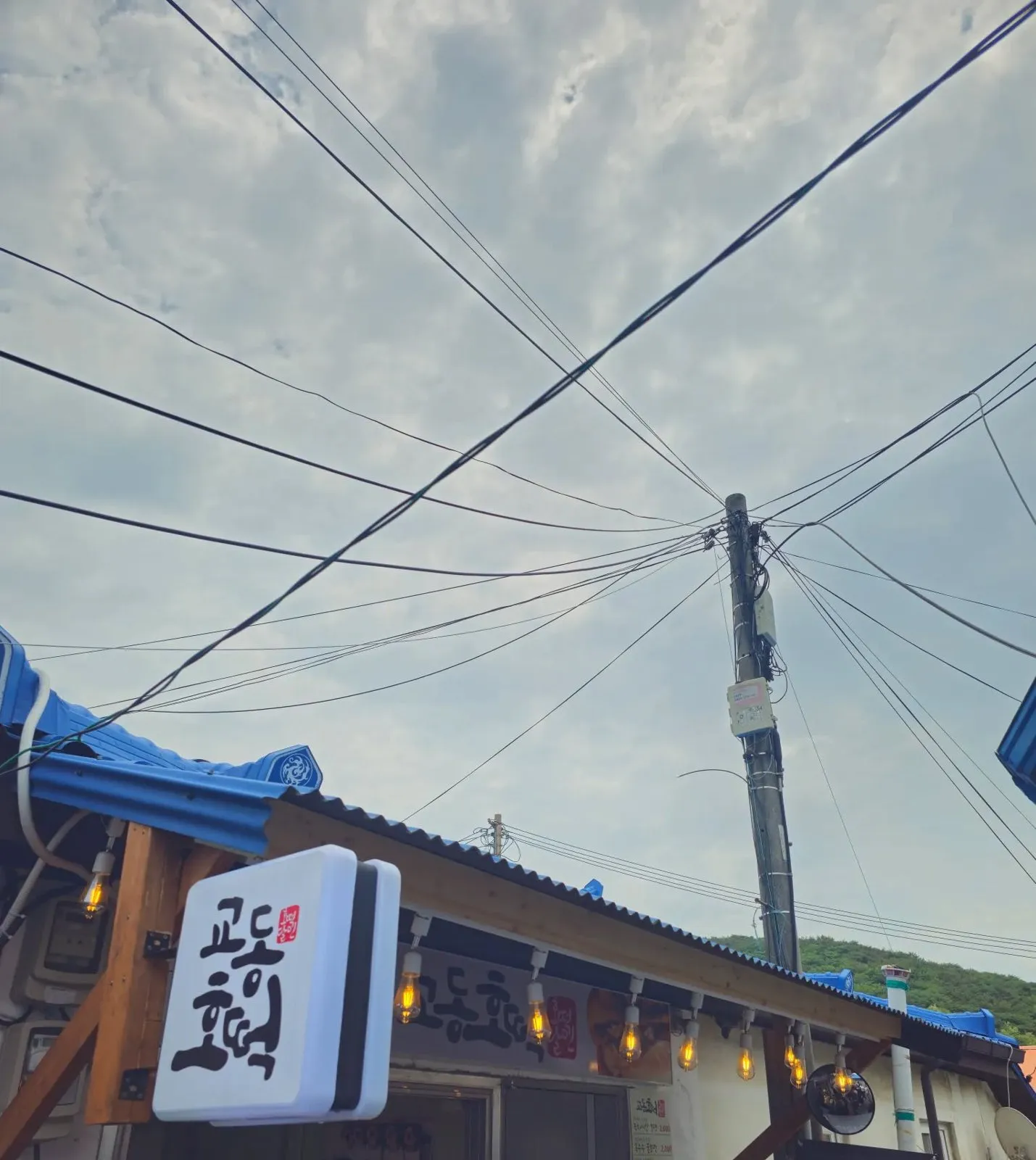 A hotteok stall in the market.
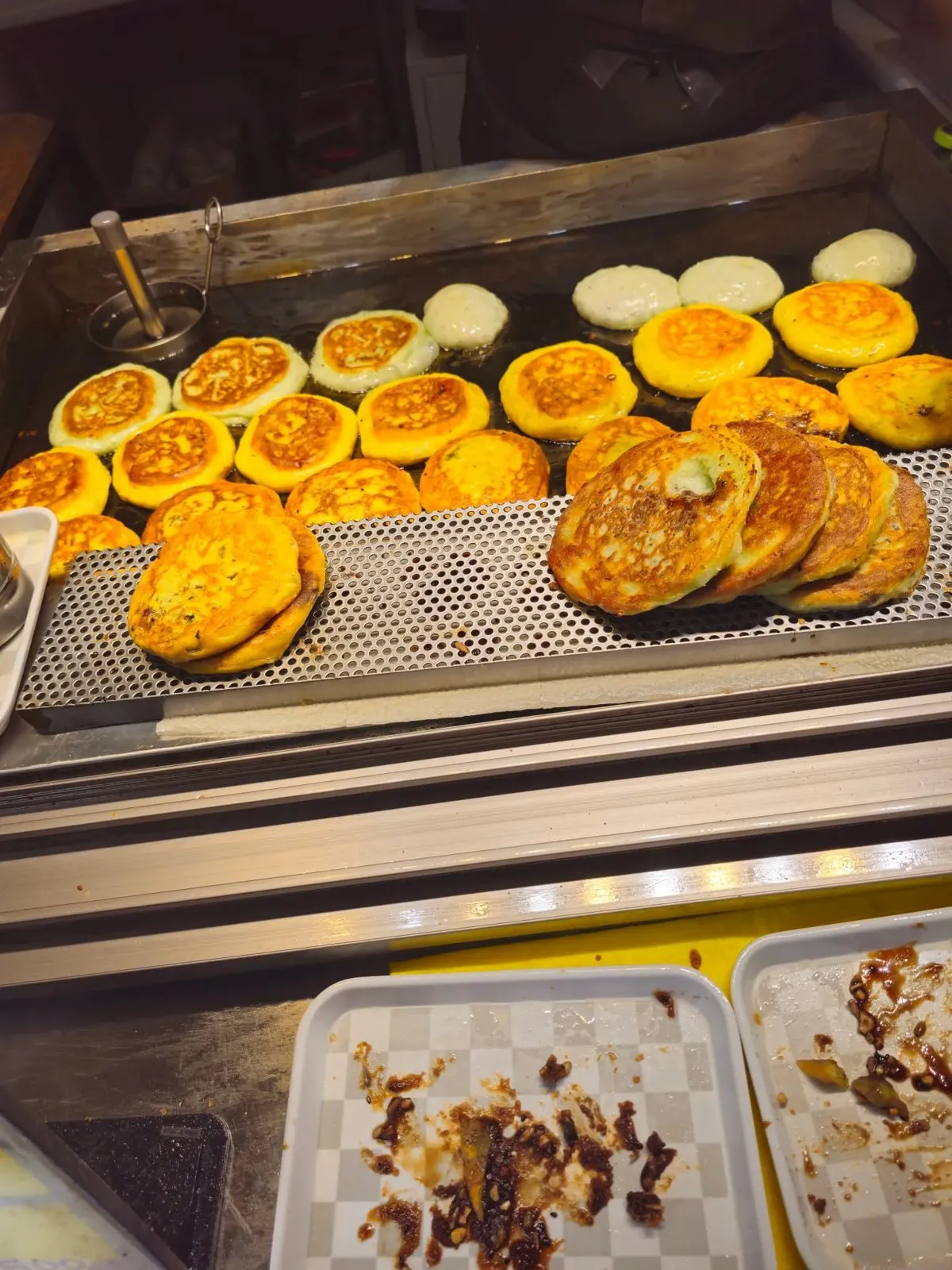 Hotteok (filled pancakes) on the griddle.
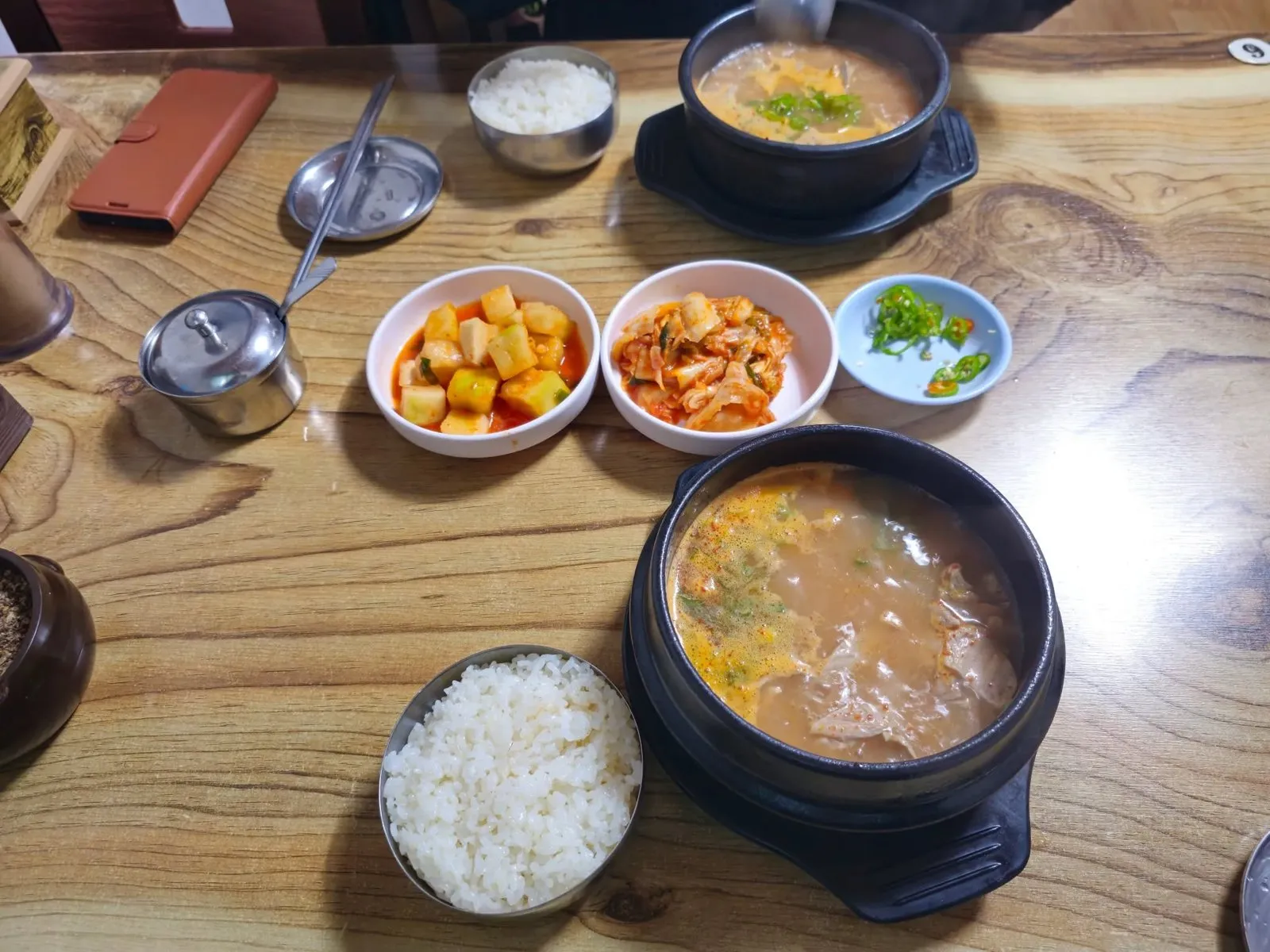 A meal at a gukbap (soup with rice) restaurant inside the market.
The bridge checkpoint
Gyodong Island is inside the civilian control zone near the border, and Incheon’s English tourism site says it can be entered only after an inspection. Its (undated) page on the border-area sites tells visitors to bring ID, fill in a visit request form with the military police and get a visitation card before crossing the control line. I couldn’t confirm which ID foreign visitors are asked for, so carry your passport.
The checks have been changing. Korean news reports from September 2026 said Ganghwa County was trialing license-plate recognition cameras at four checkpoints, including the Gyodong Bridge, from 14 September to 27 November 2026: from 4 a.m. to 8 p.m., cars slow down to 40 km/h or less and pass the cameras instead of stopping. From 8 p.m. to 4 a.m., the usual in-person checks continue, and the reports said the method can change because of military operations or system faults. Earlier reports (May 2026) said the county aims to phase out daytime in-person checks at all its border-area checkpoints within 2026, but I couldn’t confirm what happens after the trial ends. I also couldn’t confirm how the trial applies to bus passengers or foreign visitors, so carry your passport either way, and be ready to stop and show it if you’re asked to.
Traffic and parking
Two weeks before this visit, I got to Ganghwa at 11, had brunch, and around 11:40 turned back with 9.5 km still to go to the market. The traffic was jammed, endlessly.
So on 23 May I left home at 8:30, drove 70 km and reached the market at 10. Even then, the parking lot was already full, and I ended up parking on the side of the road.
If you’re going by car, arrive before 10 a.m. if you want a spot in the parking lot. VisitKorea lists free parking on Gyodong.
How to get there
By car: the market is at 35 Gyodongnam-ro, Gyodong-myeon, Ganghwa-gun (Incheon’s English site). You cross to Gyodong Island on the bridge from Ganghwa Island. Read the checkpoint and parking sections above first.
By public transport: you can get there by public transport too. Check the live route in Naver Map (switched to English): search Daeryong Market Gyodong, or paste the Korean name, 대룡시장.
How to check buses in English: install Naver Map and switch it to English in its settings. When I checked it in October 2026, the English version showed bus routes, stop names and live arrival times (minutes and stops away) in English. Google Maps also gives public transport directions in Korea, but as of late September 2026 it still had no turn-by-turn walking or driving navigation here. Stuck? Call the Korea Travel Hotline: dial 02-1330 from a Korean mobile phone (+82-2-1330 from abroad). It has English-speaking staff.
Tips
- Carry your passport. Gyodong is inside the civilian control zone (see above).
- If you drive, go early. I arrived at 10 a.m. on a Saturday and the lot was already full; two weeks earlier, the traffic made me turn back.
- On Ganghwa Island: the Bugeun-ri dolmen and the Christian history memorial hall have their own notes here.
Who it’s for
Likely to suit (estimate): travelers who like old-fashioned markets and retro streets, anyone curious about the border area, and food-stall snackers.
Sources
Checked against Incheon’s official English tourism site (address, the market’s history and look, the 2014 bridge, the civilian control zone, the ID and visitation-card rules), VisitKorea’s English page on Gyodongdo (bridge opening, free parking), Incheon’s English city site (the bridge from Ganghwa Island), Korean news reports on Yeonbaek and the area (WikiTree, May 2026; Pressian, 2021; Kukinews, 2021; Sisa Journal, 2019; Bravo My Life, 2017) and on the checkpoint changes (Kyeongin Ilbo, March 2026; Ilgan Gyeonggi, Kyeonggi Ilbo and Segye, May 2026; Incheon Today, Shinailbo, Ilgan Gyeonggi and Newsfreezone, September 2026). Free entry, the traffic, parking and timings are from my own trips in May 2026.